
QR Code

About Us
Contact Us


Email

Address
No. 6, Xuzhuang Village, Heshangqiao Town, Changge City, Henan Province, China


In a bathroom, the vanity is the centerpiece. It is the first thing a guest sees, the surface where daily routines unfold, and the storage solution that keeps the space organized. For a hotel developer, a residential builder, or a sanitary ware distributor, selecting Bathroom Vanities is a decision that affects guest satisfaction, resident convenience, and project profitability. A vanity that is beautiful but lacks storage will frustrate users. A vanity that is functional but unattractive will diminish the perceived value of the entire bathroom. The best Bathroom Vanities achieve a balance: they provide a durable washing surface, ample storage for toiletries and towels, and a design that complements the overall aesthetic of the space.
This guide is written for buyers who need to make informed decisions about Bathroom Vanities. We will break down the three core functions of a vanity—washing, storage, and style—and explain how they interact. We will cover the materials, configurations, and specifications that determine performance and durability. We will also provide detailed product parameters from our factory at Xuchang Hongbaolai Sanitary Ware Co., Ltd. Whether you are furnishing a hotel, a residential complex, or a retail showroom, this guide will help you select the right Bathroom Vanities for your project.
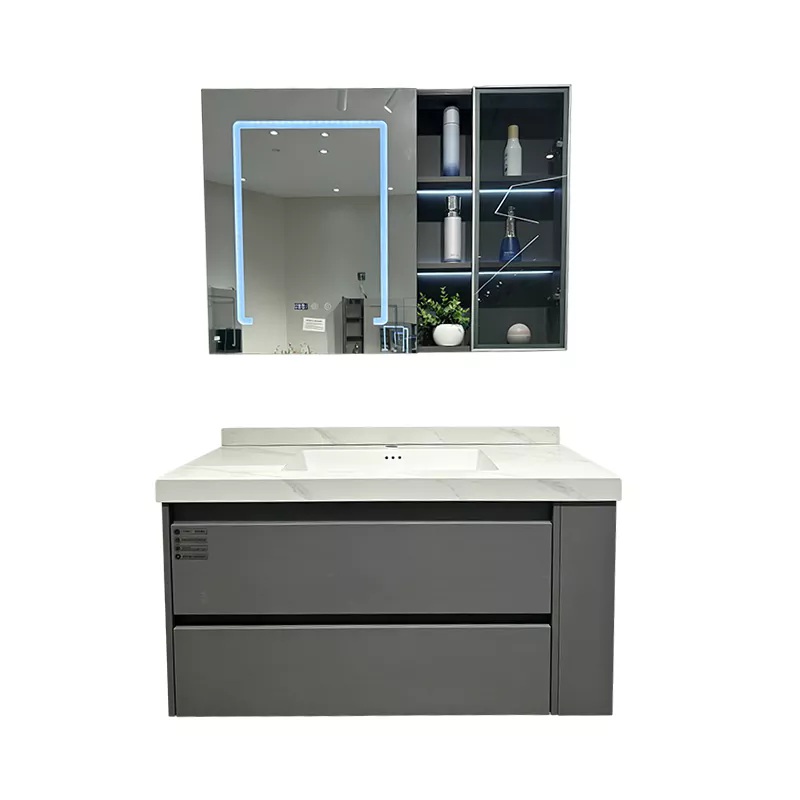
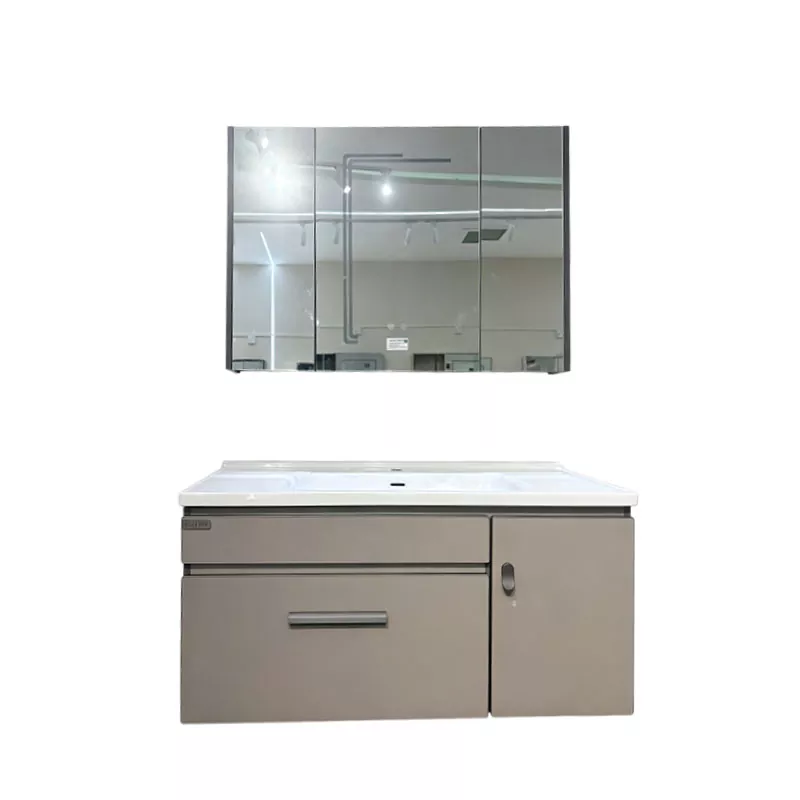
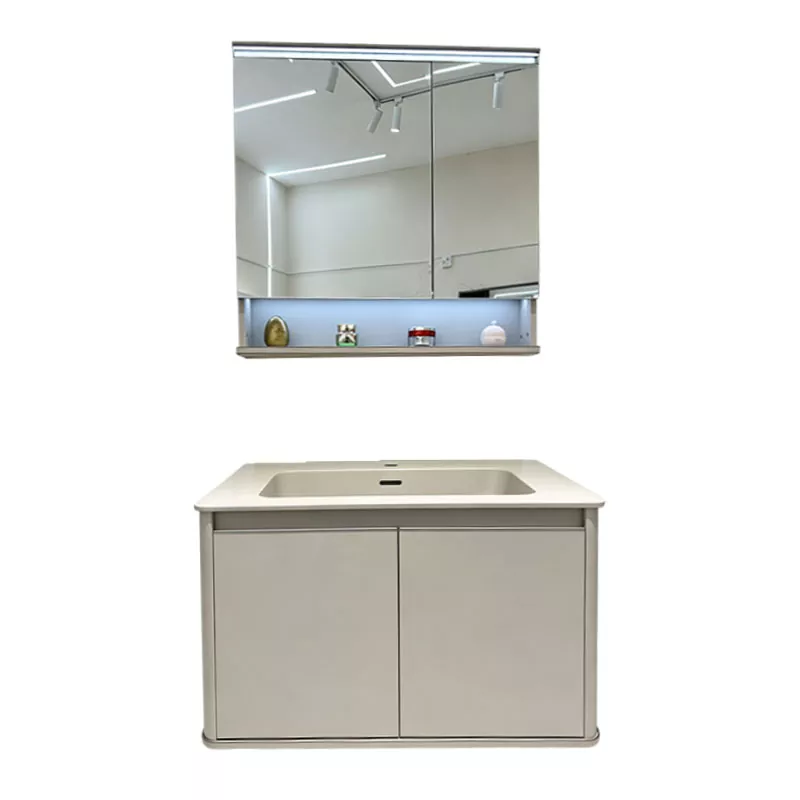
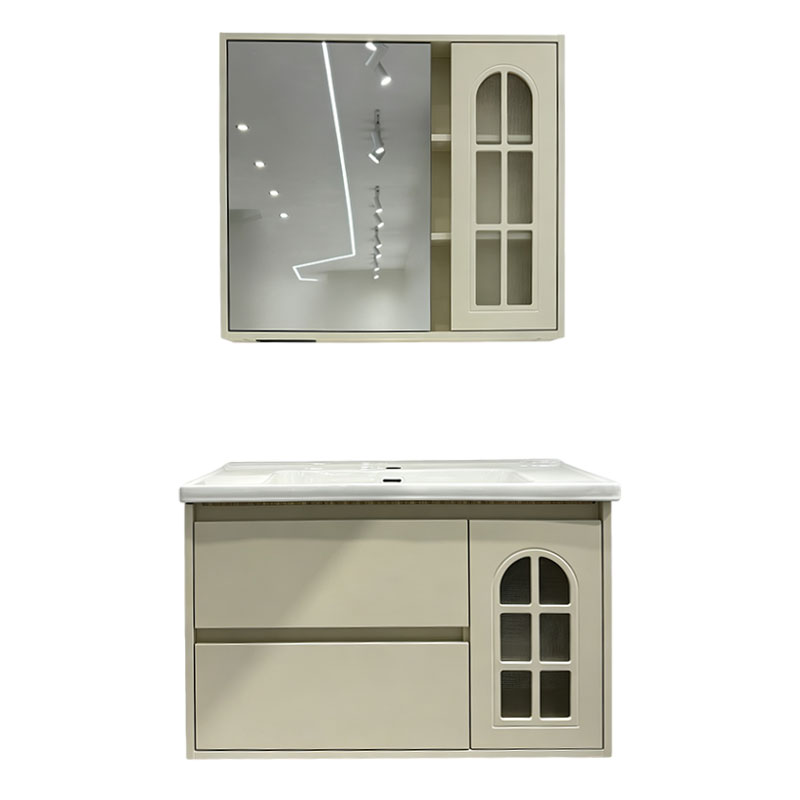
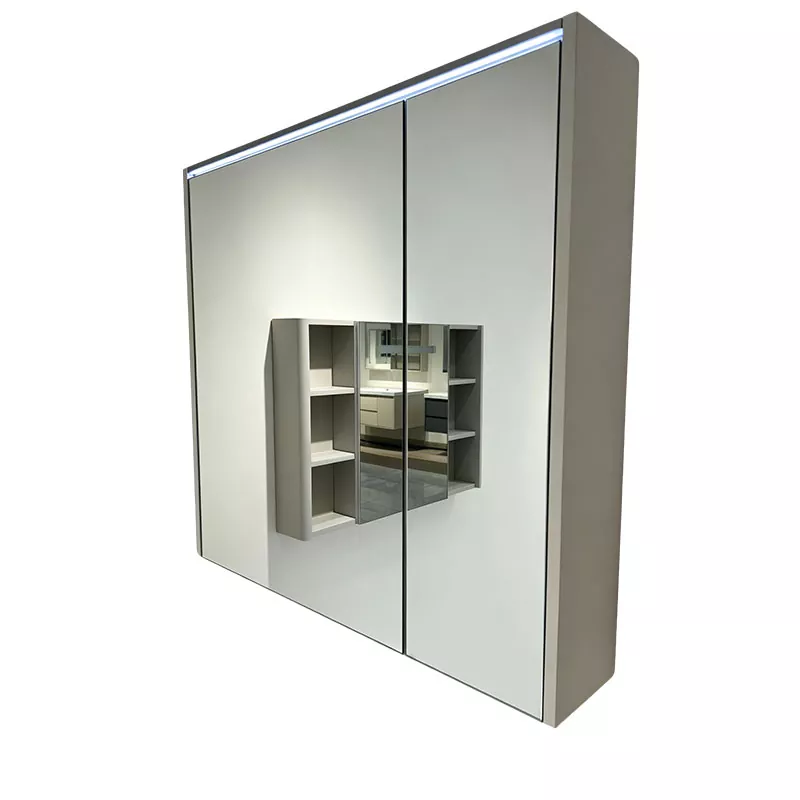
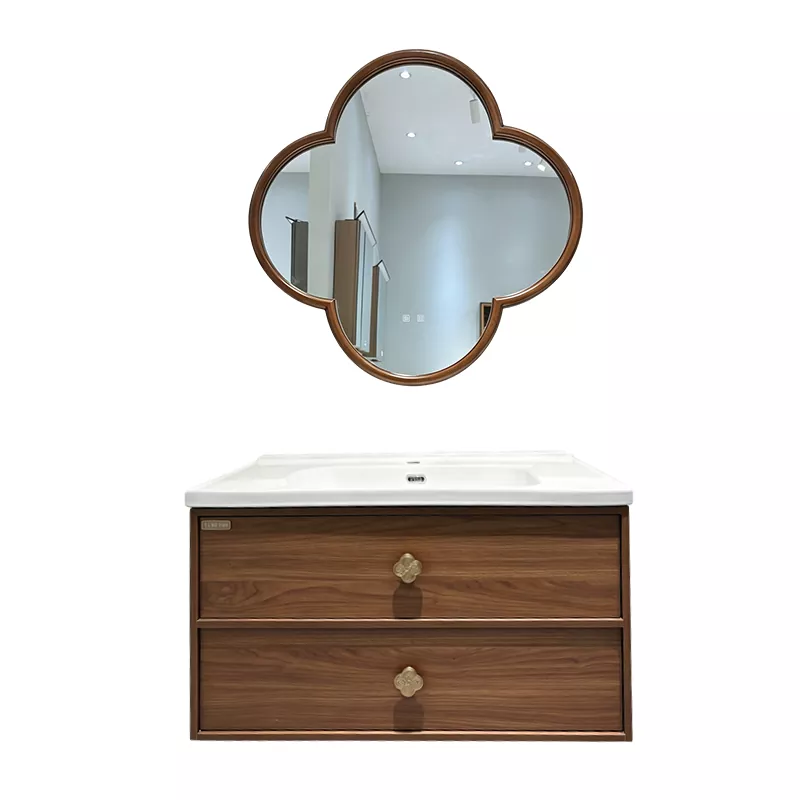
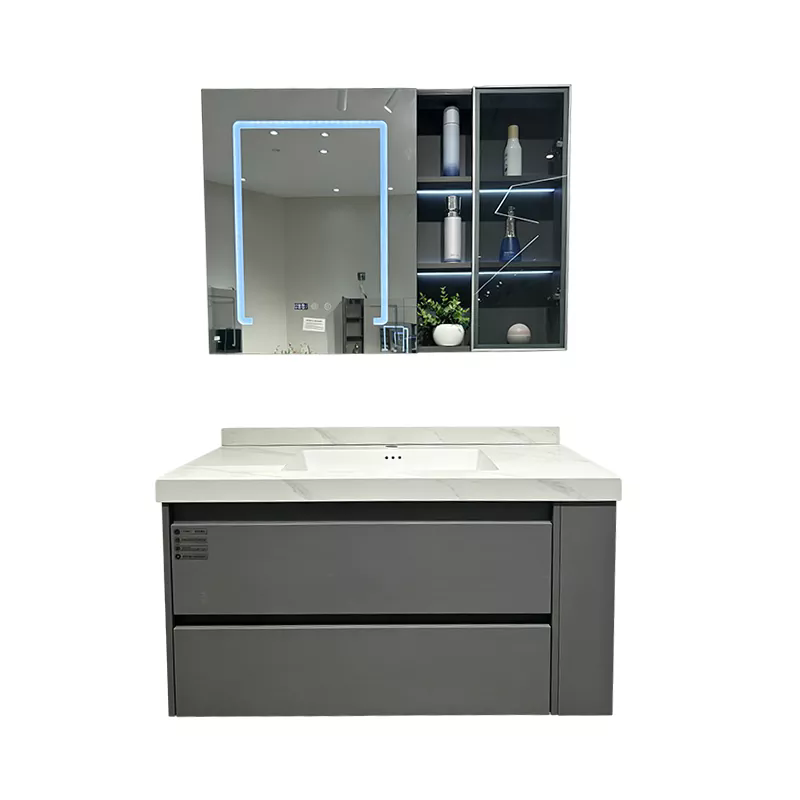
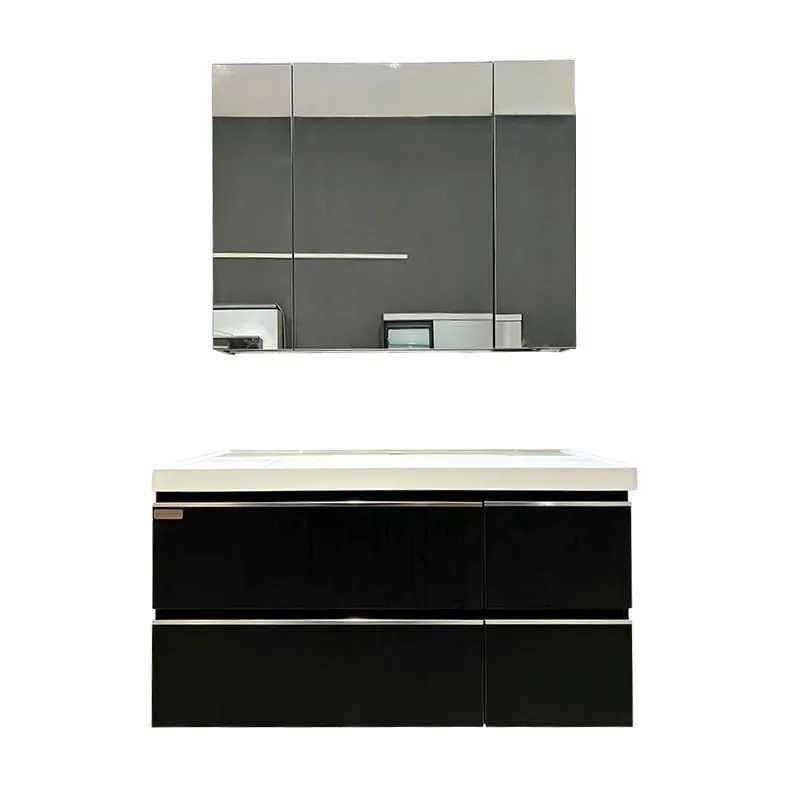
A Bathroom Vanity is a furniture unit that combines a sink (or washbasin), a countertop, and a storage cabinet in a single integrated assembly. It is the primary workspace in a bathroom, providing the surface for washing hands, brushing teeth, and applying makeup, as well as the storage space for toiletries, towels, and cleaning supplies. A typical Bathroom Vanity consists of four main components: the cabinet (or base), the countertop, the sink, and the hardware (faucet, handles, hinges, and drawer slides). Some vanities also include a mirror, a backsplash, or a side cabinet. The size, configuration, and materials of these components determine the vanity's function and appearance. The table below summarizes the main components and their functions.
| Component | Function | Material Options |
| Cabinet / Base | Storage, structural support | Solid wood, plywood, MDF, PVC |
| Countertop | Workspace, surface for sink | Ceramic, marble, quartz, glass |
| Sink | Washing basin | Ceramic, glass, stainless steel |
| Faucet | Water delivery | Brass, stainless steel, zinc alloy |
| Mirror | Reflection, grooming | Glass, silver coating |
| Hardware | Operation of doors and drawers | Stainless steel, zinc alloy, brass |
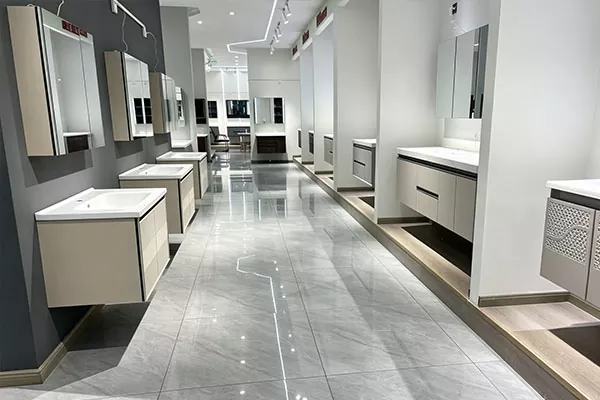
At Xuchang Hongbaolai Sanitary Ware Co., Ltd., our factory specializes in the production of Bathroom Vanities for residential, hospitality, and commercial projects. We offer a range of configurations, from compact single-sink vanities for small bathrooms to double-sink vanities for master suites and hotel rooms. Our products are designed to combine functionality, durability, and aesthetic appeal.
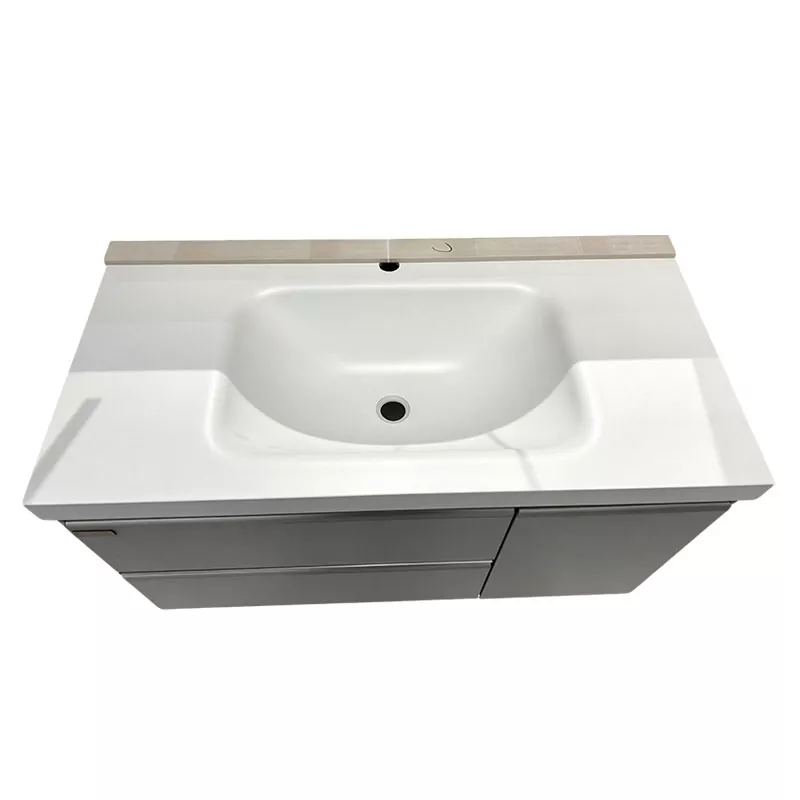
The washing function of a Bathroom Vanity is determined by the sink, the countertop, and the faucet. The sink is the primary washing basin, and its size, depth, and shape affect the user's experience. An undermount sink is mounted below the countertop, creating a seamless surface that is easy to clean. A vessel sink sits on top of the countertop, creating a decorative focal point. A drop-in sink is mounted into a cutout in the countertop, with the rim visible. Each type has its own advantages and disadvantages. The countertop material affects durability, stain resistance, and appearance. The faucet determines water flow, temperature control, and ease of use. The table below compares the common sink types for Bathroom Vanities.
| Sink Type | Installation | Advantages | Disadvantages |
| Undermount | Mounted below countertop | Easy to clean, seamless look | Requires solid countertop, more expensive |
| Vessel | Sits on top of countertop | Decorative, easy to install | Harder to clean around, requires taller faucet |
| Drop-in | Mounted into cutout | Easy to install, lower cost | Rim visible, harder to clean |
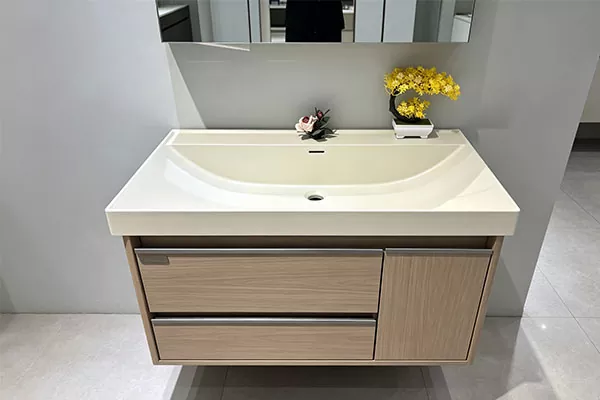
| Integrated | Sink and countertop are one piece | Seamless, easy to clean | Limited design options, higher cost |
At our factory, we produce Bathroom Vanities with all four sink types. We can advise on the best option for your project based on the target market, the budget, and the installation requirements. Our ceramic sinks are fired at high temperatures for durability and stain resistance. Our countertops are available in ceramic, marble, quartz, and glass to suit different design preferences.
Storage is one of the most important functions of a Bathroom Vanity. Without adequate storage, the bathroom becomes cluttered and disorganized. The storage configuration of a vanity depends on the size of the bathroom, the needs of the users, and the available space. The most common configurations are the single-door cabinet, the double-door cabinet, the drawer bank, and the combination of doors and drawers. For small bathrooms, a compact vanity with a single door and a drawer may be sufficient. For larger bathrooms, a double-sink vanity with multiple drawers and cabinets provides ample storage for two users. The table below summarizes the storage configurations and their typical applications.
| Configuration | Description | Typical Bathroom Size | Storage Capacity |
| Single Door + Drawer | One door, one drawer | Small (powder room) | Low |
| Double Door | Two doors, no drawers | Small to medium | Moderate |
| Drawer Bank | Three or more drawers | Medium to large | High |
| Doors + Drawers | Combination of doors and drawers | Medium to large | High |
| Double Sink Vanity | Two sinks, multiple storage sections | Large (master bath) | Very High |
At Hongbaolai, our factory produces Bathroom Vanities in all these configurations. We use high-quality hinges and drawer slides that are tested for thousands of cycles. Our drawers are dovetail-jointed for strength and durability. Our cabinets are finished inside and out for moisture resistance. We can also customize the storage configuration to meet specific project requirements.
The design style and materials of a Bathroom Vanity determine its appearance and its ability to complement the overall bathroom decor. The most common design styles are modern, traditional, transitional, and industrial. Modern vanities feature clean lines, minimal ornamentation, and often incorporate glass or metal elements. Traditional vanities feature ornate details, such as raised panel doors, decorative hardware, and carved legs. Transitional vanities blend modern and traditional elements for a timeless look. Industrial vanities feature raw materials, such as concrete, metal, and reclaimed wood. The materials used for the cabinet, countertop, and hardware determine the vanity's durability, maintenance requirements, and cost. The table below summarizes the design styles and their characteristics.
| Style | Characteristics | Typical Materials | Target Market |
| Modern | Clean lines, minimal ornamentation | Glass, metal, glossy finishes | Contemporary homes, hotels |
| Traditional | Ornate details, raised panels | Solid wood, marble, brass | Luxury homes, historic buildings |
| Transitional | Blend of modern and traditional | Wood, quartz, brushed nickel | Most residential projects |
| Industrial | Raw materials, exposed hardware | Concrete, metal, reclaimed wood | Lofts, boutique hotels |
At our factory, we produce Bathroom Vanities in all these styles. We use high-quality materials, including solid wood, plywood, MDF, ceramic, marble, and quartz. Our finishes are available in a range of colors and textures, from high-gloss white to matte gray to natural wood grain. We can also produce custom designs to match specific project requirements. Our goal is to provide our customers with Bathroom Vanities that are both beautiful and durable.
Evaluating a supplier of Bathroom Vanities is critical for ensuring a successful project. The key criteria for evaluating a supplier are manufacturing capability, quality management, material sourcing, production capacity, delivery performance, and technical support. Manufacturing capability includes the ability to produce vanities in the required sizes, styles, and materials. Quality management includes the systems and processes that ensure consistent quality. Material sourcing includes the ability to source high-quality raw materials at competitive prices. Production capacity includes the ability to meet large orders in a timely manner. Delivery performance includes the ability to meet lead times and to respond to urgent orders. Technical support includes the ability to assist with product selection and problem-solving. The table below summarizes these criteria and what to look for in each.
| Evaluation Criterion | What to Look For | Why It Matters |
| Manufacturing Capability | CNC machining, edge banding, assembly lines | Ensures product quality and consistency |
| Quality Management | ISO 9001 certification, inspection records | Ensures consistent product quality |
| Material Sourcing | Reliable suppliers, quality raw materials | Ensures product performance and durability |
| Production Capacity | Monthly output, ability to scale | Ensures timely delivery of large orders |
| Delivery Performance | On-time delivery record, inventory capability | Keeps your project on schedule |
| Technical Support | Sales team, product knowledge | Helps you select the right product |
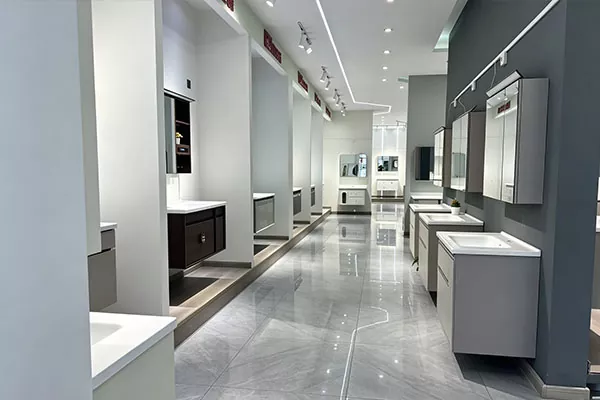
At Hongbaolai, our factory has been producing Bathroom Vanities for over a decade. We have a strong track record of quality, delivery, and customer satisfaction. We are ISO 9001 certified, and we maintain detailed records of all inspections. Our production capacity is among the largest in the region, and we can scale to meet large orders. Our sales team is knowledgeable and responsive, and we are committed to helping our customers succeed. We invite you to evaluate us against these criteria and to consider us as your partner for Bathroom Vanities.
The following table provides the key product parameters for our Bathroom Vanities. These vanities are designed for residential, hospitality, and commercial projects and are available in a range of sizes, styles, and materials to suit different applications. Our factory can also produce custom vanities to meet specific requirements.
| Parameter | Specification Range | Notes |
| Width | 60 cm to 180 cm | Custom sizes available |
| Depth | 45 cm to 60 cm | Standard depths |
| Height | 80 cm to 90 cm | Standard heights |
| Cabinet Material | Solid Wood, Plywood, MDF, PVC | Selected for moisture resistance |
| Countertop Material | Ceramic, Marble, Quartz, Glass | Selected for durability and style |
| Sink Type | Undermount, Vessel, Drop-in, Integrated | Selected based on design |
| Faucet Material | Brass, Stainless Steel, Zinc Alloy | Selected for finish and durability |
| Hardware | Stainless Steel, Zinc Alloy, Brass | Soft-close hinges and slides available |
| Finish | High-Gloss, Matte, Wood Grain | Custom colors available |
| Mirror | Included or Optional | LED mirror options available |
| MOQ | 50 sets | Negotiable for large orders |
| Lead Time | 3 - 6 weeks | Depends on quantity and customization |
At our factory, we manufacture our Bathroom Vanities to meet these specifications and more. We can customize the size, style, materials, and finish to suit your specific requirements. Our quality control system includes inspection of raw materials, in-process inspection, and final inspection before shipment. Our goal is to provide our customers with high-quality Bathroom Vanities that combine washing, storage, and style.
Question 1: What is the standard height for a bathroom vanity?
Answer: The standard height for a Bathroom Vanity is 80 cm to 90 cm from the floor to the top of the countertop. The exact height depends on the user's preference and the height of the sink. For comfortable use, the countertop should be approximately at the user's hip level. For commercial projects, 85 cm is a common standard. Our factory can produce vanities at any specified height.
Question 2: What is the difference between a freestanding and a wall-mounted vanity?
Answer: A freestanding vanity sits on the floor and is supported by legs or a base. It is easier to install and can be moved if needed. A wall-mounted vanity is attached to the wall and hangs above the floor. It creates a more open look and makes cleaning the floor easier, but it requires a solid wall and professional installation. The choice depends on the design preference and the wall construction.
Question 3: What is the best material for a bathroom vanity cabinet?
Answer: The best material for a Bathroom Vanity cabinet depends on the budget, the desired style, and the moisture resistance required. Solid wood is durable and attractive but requires maintenance. Plywood is moisture-resistant and stable. MDF is smooth and easy to finish but can swell if exposed to water. PVC is completely waterproof and is ideal for humid environments. Our factory offers all these materials and can advise on the best choice for your project.
Question 4: How do I choose the right size vanity for my bathroom?
Answer: To choose the right size Bathroom Vanity, measure the available space and allow for clearance on both sides and in front. As a general rule, the vanity should not occupy more than 60% of the wall space. Leave at least 50 cm of clearance in front of the vanity for comfortable use. For small bathrooms, a 60-80 cm vanity is appropriate. For medium bathrooms, a 100-120 cm vanity is appropriate. For large bathrooms, a 150-180 cm vanity or a double-sink vanity is appropriate.
Question 5: What is the typical lead time for a custom bathroom vanity?
Answer: The typical lead time for a custom Bathroom Vanity is 4 to 8 weeks after design approval. For standard vanities, the lead time is typically 3 to 4 weeks. The lead time depends on the complexity of the design, the quantity ordered, and the availability of materials. At Xuchang Hongbaolai Sanitary Ware Co., Ltd., we work closely with our customers to meet their delivery requirements.
Bathroom Vanities are more than just furniture. They are the intersection of washing, storage, and style. A well-designed vanity provides a durable washing surface, ample storage for daily necessities, and a design that enhances the beauty of the bathroom. For procurement managers, selecting the right Bathroom Vanities requires an understanding of the sink types, the storage configurations, the design styles, and the materials that determine performance and durability. At Xuchang Hongbaolai Sanitary Ware Co., Ltd., our factory has the expertise and the capacity to produce high-quality Bathroom Vanities for residential, hospitality, and commercial projects. We use high-quality materials, precision manufacturing, and rigorous quality control to ensure that our vanities meet the most demanding requirements.
Whether you are furnishing a hotel, a residential complex, or a retail showroom, we invite you to contact us to discuss your requirements. We can provide samples, quotes, and customized solutions. Our commitment to quality and customer satisfaction has made us a trusted partner for businesses around the world.
Contact Xuchang Hongbaolai Sanitary Ware Co., Ltd. today to discuss your Bathroom Vanity requirements and discover how our products can combine washing, storage, and style for your project.
No. 6, Xuzhuang Village, Heshangqiao Town, Changge City, Henan Province, China