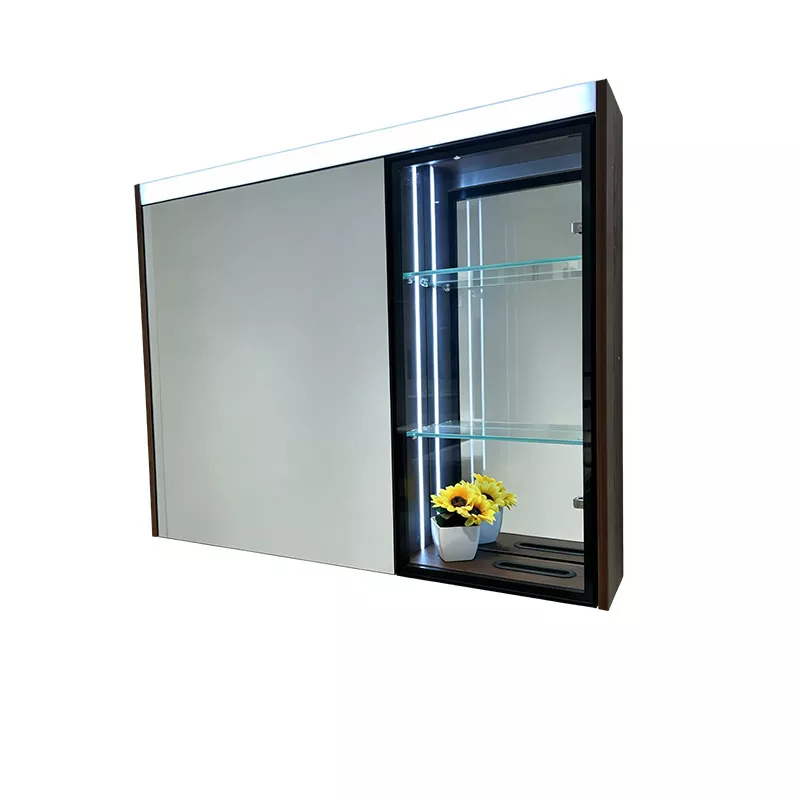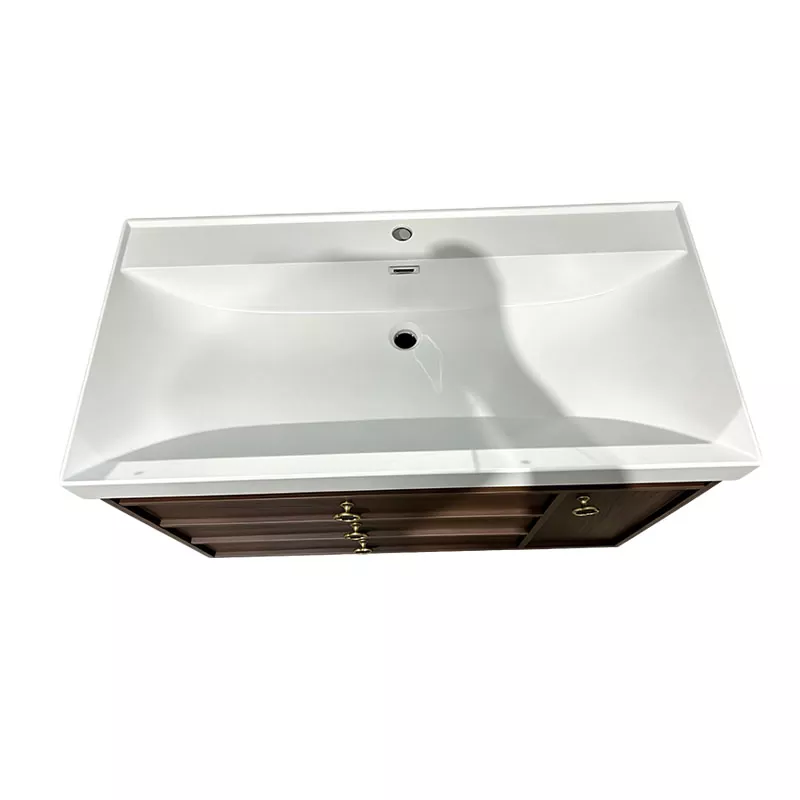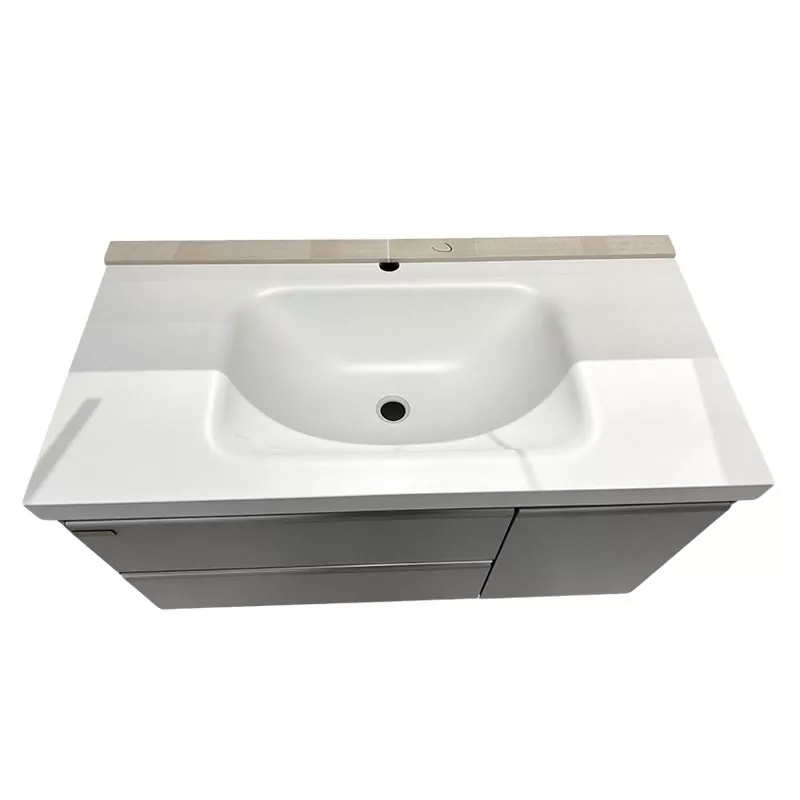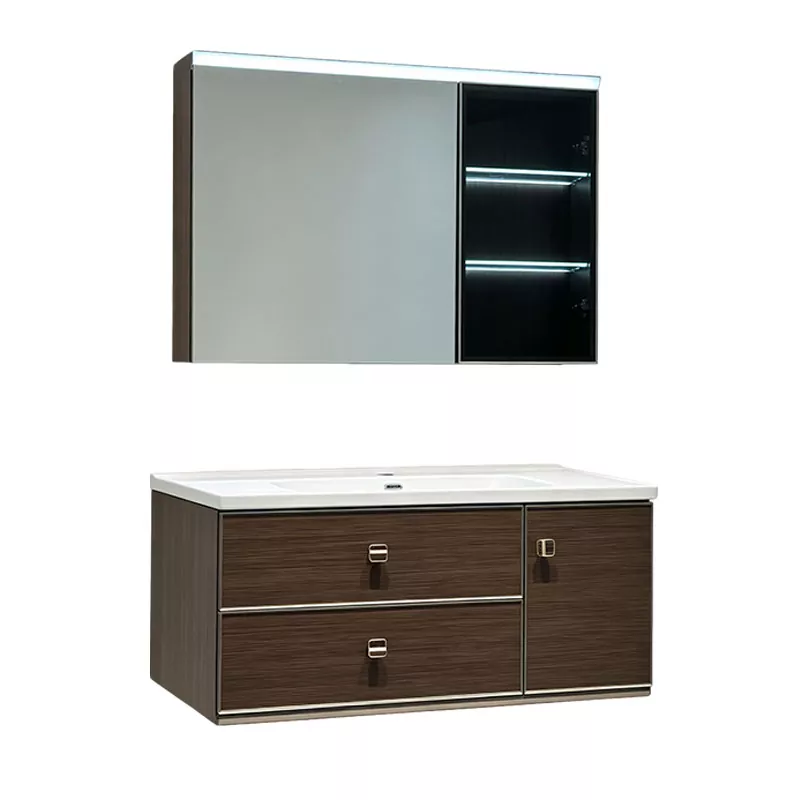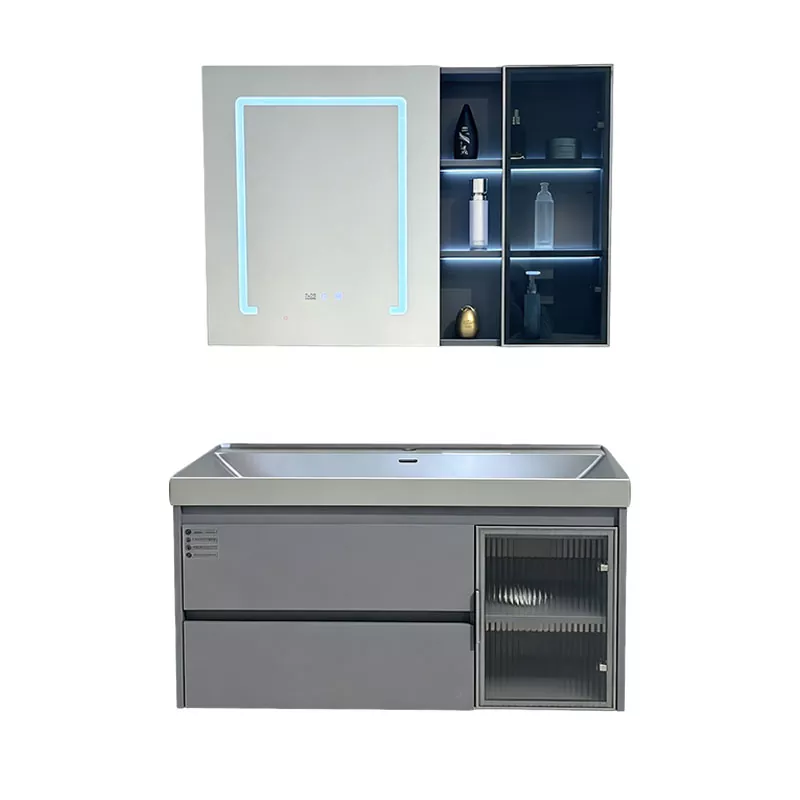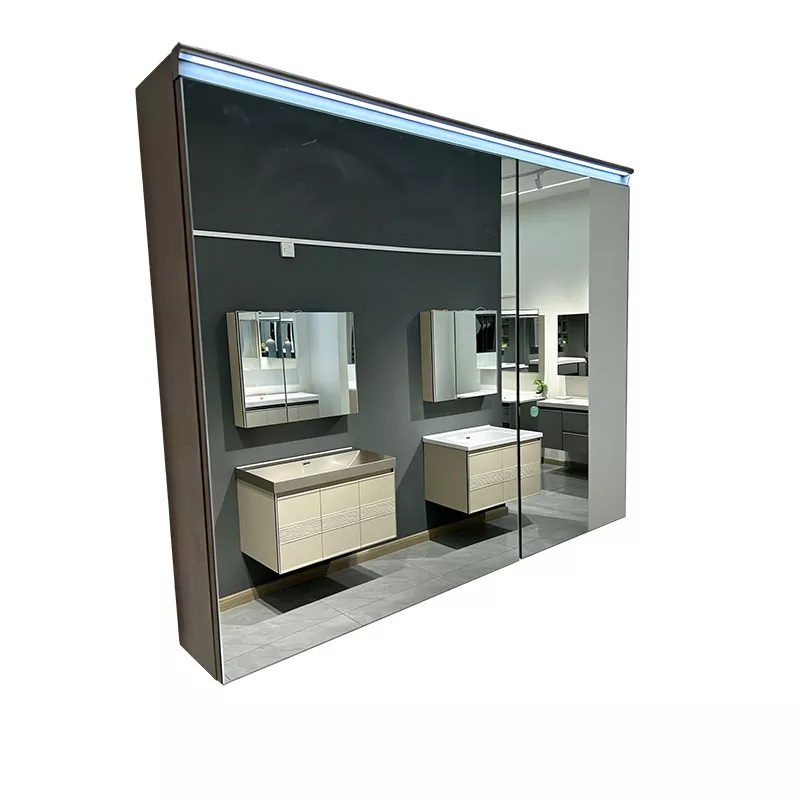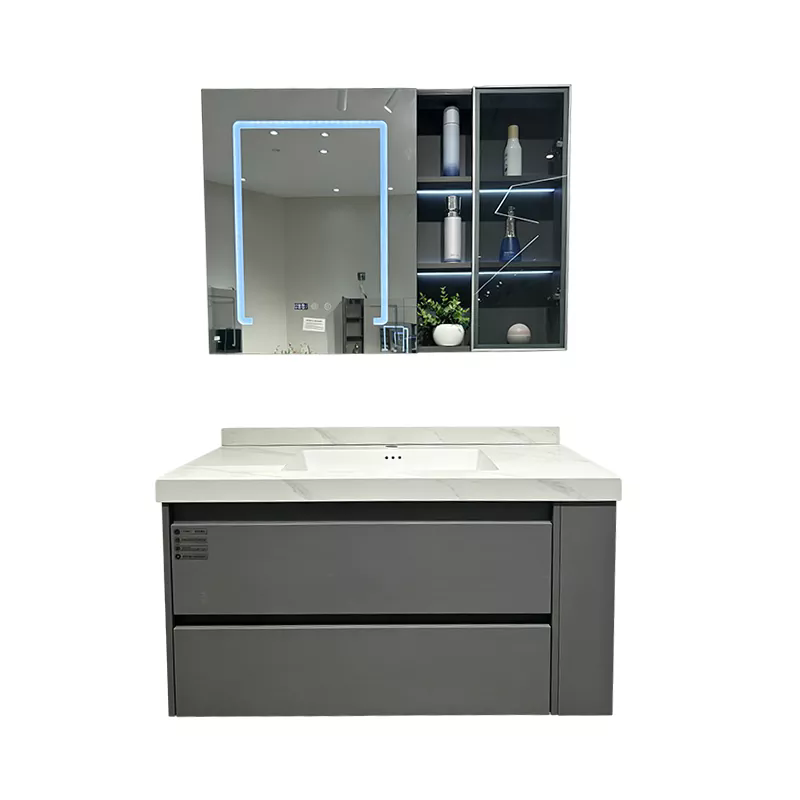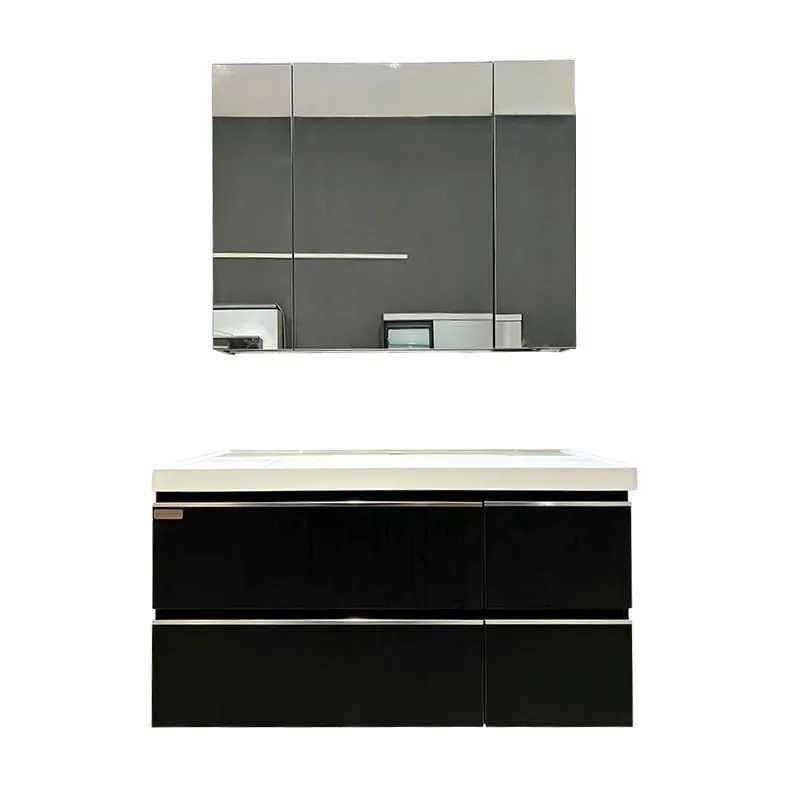


Discover why a seamless Integrated Countertop Bathroom Sink is rapidly becoming the go-to solution for modern bathrooms. This deep dive explores the hygiene advantages, installation process, maintenance requirements, and design possibilities that set integrated sinks apart from traditional alternatives. Whether you are renovating a compact powder room or designing a spacious master bath, understanding the engineering behind a one-piece basin and countertop will help you make a confident, informed decision.
- What exactly is an integrated countertop sink?
- Why is this design gaining so much popularity?
- How does a seamless surface improve bathroom hygiene?
- Which materials work best for integrated designs?
- How is an integrated sink actually installed?
- What does daily maintenance look like?
- How does it compare to undermount and vessel sinks?
- What design possibilities does this style unlock?
- Frequently asked questions
What exactly is an integrated countertop sink?
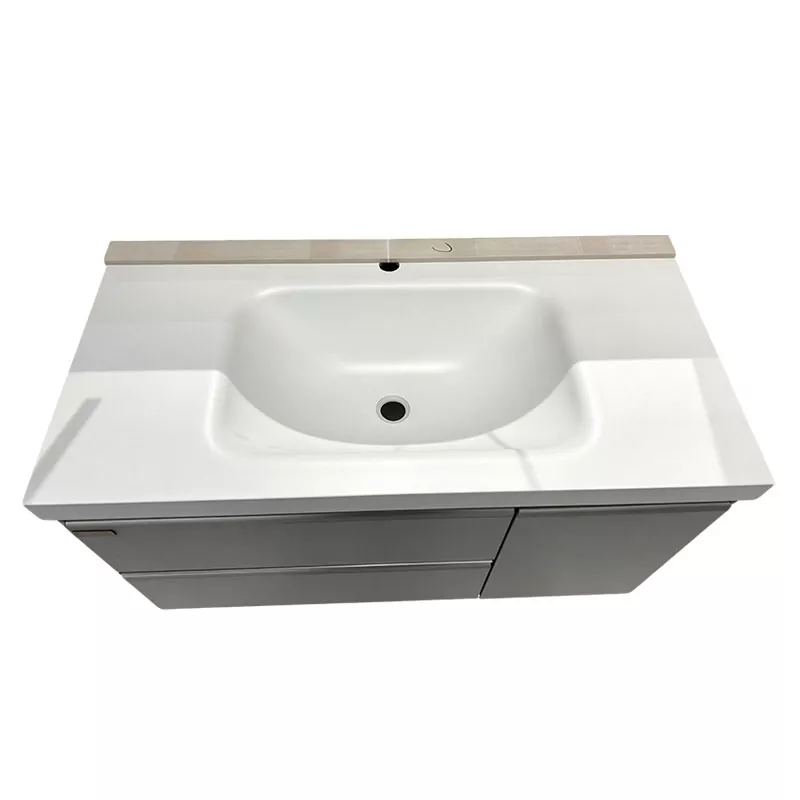
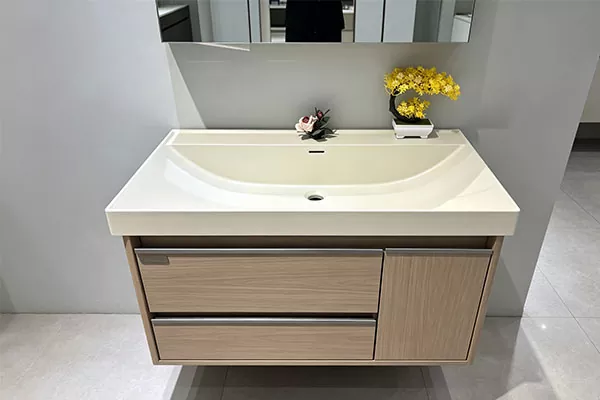
An integrated countertop sink represents a fundamentally different approach to bathroom design. Instead of dropping a separate basin into a cutout or mounting a bowl on top of a surface, the basin and countertop are manufactured as a single, continuous piece. The bowl is molded directly into the counter material during production, creating a surface with absolutely no seams, no rims, and no gaps where water or debris can collect.
This construction method is sometimes called a one-piece vanity top or a seamless basin system. The distinction matters because it changes everything about how the fixture performs in daily use. European manufacturers have championed this style for years, and it has become a signature element of contemporary floating vanities and minimalist bathroom layouts.
The term "integrated" specifically refers to the manufacturing process. The sink is not an accessory added to the counter after fabrication. It is part of the counter itself, shaped from the same material in a single continuous form. This is what separates it from undermount sinks, where a separate basin hangs below a stone surface, or vessel sinks, where a bowl sits atop the counter.
Why is this design gaining so much popularity?
The rising demand for integrated designs is not simply a matter of aesthetics. It reflects a broader shift in how homeowners think about bathroom surfaces. Busy households want fixtures that are fast to clean, resistant to grime buildup, and visually calm. The one-piece construction delivers on all three fronts simultaneously.
Consider what happens with a traditional drop-in sink over time. The rim that sits above the counter traps water, soap residue, and toothpaste. Silicone sealant along the edge gradually discolors and becomes a breeding ground for mold. Every cleaning session requires attention to that narrow, awkward crevice. An integrated countertop bathroom sink eliminates the problem entirely because there is no crevice to begin with.
The design also aligns with the growing preference for uncluttered, spa-like bathroom environments. A continuous surface reads as one uninterrupted plane, which visually expands the space and reduces the visual noise of intersecting edges and materials. In compact bathrooms, this effect can be particularly pronounced.
- No visible seam between the basin and the counter surface
- Elimination of silicone joints that attract mold and discoloration
- Faster wipe-down cleaning across the entire surface
- Consistent color and finish from edge to edge
- Reduced visual clutter in small bathroom layouts
How does a seamless surface improve bathroom hygiene?
Hygiene is where the engineering advantage of a one-piece construction becomes most apparent. The absence of a seam is not merely a cosmetic benefit. It is a functional barrier against the accumulation of organic matter and microbial growth. When there is nowhere for water to pool or debris to settle, the surface stays cleaner between deep cleans.
Solid surface materials used in these fixtures are typically non-porous. This means liquids cannot penetrate the surface, and bacteria have no substrate to colonize. A simple wipe with a damp cloth removes the vast majority of daily residue. For households with young children or individuals with sensitivities to cleaning chemicals, this low-maintenance hygiene profile is a significant practical advantage.
Professional cleaning guidelines for integrated basins consistently emphasize the simplicity of care. Mild soap, warm water, and a soft cloth handle virtually all routine cleaning needs. Abrasive pads and harsh chemical cleaners are unnecessary and can actually damage the finish over time.
What specific hygiene advantages should you expect?
- Reduced surface area for bacterial accumulation
- No grout lines or caulk edges to harbor moisture
- Non-porous materials resist staining and odor retention
- Faster drying time across a continuous surface
Which materials work best for integrated designs?
Not every countertop material can be fabricated into a truly integrated sink. The manufacturing process requires a material that can be molded, fused, or shaped into a seamless form. This narrows the field to a specific set of options, each with its own character and performance profile.
Solid surface materials, often made from acrylic and mineral composites, are the most common choice for integrated construction. These materials can be thermoformed and bonded so that the joint between basin and counter becomes invisible after sanding. Quartz composite materials represent a newer development, offering higher scratch resistance while still allowing for seamless fabrication. Ceramic and mineral cast materials are also used, particularly in European designs where the entire top is fired as a single ceramic piece.
| Material | Seamless Capability | Scratch Resistance | Repairability | Best For |
| Solid Surface | Excellent | Moderate | Excellent | Family bathrooms, rental units |
| Quartz Composite | Good | High | Limited | High-traffic master baths |
| Ceramic / Mineral Cast | Excellent | High | Limited | Compact powder rooms |
Each material balances durability, appearance, and fabrication feasibility differently. Solid surface offers the most forgiving repair profile, while quartz composite delivers superior resistance to everyday scratches and impact. Ceramic tops provide a glossy, hygienic finish that is particularly well-suited to smaller bathroom spaces.
How is an integrated sink actually installed?
Installation of an integrated countertop bathroom sink differs substantially from installing a drop-in or undermount basin. Because the unit arrives as a single fabricated piece, there is no on-site sink fitting or sealing of a rim. The installer positions the entire top as one component, connects the drain and faucet, and completes the plumbing hookup.
This simplification at the installation stage is one of the practical benefits of choosing an integrated design for new construction or renovation projects. The absence of a caulk line means there is no curing time for sealant and no risk of an uneven silicone bead creating a visible defect.
What does the installation sequence look like?
- Prepare the vanity cabinet and verify that the integrated top dimensions align with the cabinet opening and wall clearances.
- Position the one-piece counter and basin unit onto the cabinet, checking for level in both directions.
- Secure the top to the cabinet using the appropriate clips or brackets specified by the manufacturer.
- Connect the drain assembly, ensuring that the gasket and seal are properly seated against the basin outlet.
- Install the faucet and connect the supply lines, following the manufacturer's torque specifications.
- Run a full leak test by filling the basin and observing the drain connection and supply fittings.
For professional installers, the process is straightforward because the most technically demanding step — cutting a precise hole in a countertop and sealing a separate sink into it — has already been completed at the factory. The on-site work focuses on fit, connection, and testing rather than fabrication.
What does daily maintenance look like?
Maintenance of an integrated basin is remarkably simple compared to traditional sink setups. The continuous surface means that cleaning follows the same motion as wiping down a countertop. There is no rim to navigate around, no sealant line to scrub, and no hidden edge where residue can accumulate.
Routine care involves wiping the surface with a soft damp cloth after use. For a more thorough clean, a mild non-abrasive cleanser applied with a sponge or cloth restores the surface to its original appearance. The key principle is to avoid abrasive materials that can dull the finish over time.
What should you avoid when cleaning?
- Abrasive scouring pads and steel wool
- Harsh chemical cleaners containing ammonia or bleach
- Draining boiling water directly into the basin
- Letting standing water pool around the basin edges for extended periods
Periodic inspection of the drain connection and supply lines remains good practice for any bathroom fixture. While the integrated surface itself requires minimal attention, the plumbing beneath the vanity benefits from an annual check to catch any slow leaks before they cause damage.
How does it compare to undermount and vessel sinks?
Understanding where the integrated design fits within the broader landscape of bathroom sink options helps clarify when it is the right choice. Each sink type has a distinct set of trade-offs, and the integrated approach prioritizes hygiene and visual continuity above all else.
An undermount sink tucks beneath a separate countertop, creating a clean look at the counter surface but still introducing a joint where the basin meets the underside of the stone. Vessel sinks sit entirely above the counter, which can be striking visually but raises the faucet height and introduces a more complex cleaning profile around the base. Integrated sinks remove both the undermount joint and the vessel's elevated base.
| Feature | Integrated | Undermount | Vessel |
| Seam visibility | None | Joint at basin edge | Joint at basin base |
| Cleaning ease | Highest | High | Moderate |
| Counter space | Full surface usable | Full surface usable | Reduced by bowl footprint |
| Design flexibility | Material-dependent | Broad material options | Broad material options |
| Repair approach | Surface refinishing | Basin replacement | Basin replacement |
The integrated approach excels in situations where hygiene, ease of cleaning, and a calm visual aesthetic are the top priorities. Undermount sinks remain a strong option when the countertop material itself is the design centerpiece. Vessel sinks suit bathrooms where a sculptural, standalone basin is the intended focal point.
What design possibilities does this style unlock?
The visual language of an integrated countertop bathroom sink is one of continuity and restraint. Because the basin and counter share the same surface, the eye reads them as a single form rather than two separate objects. This quality is particularly valuable in small bathrooms, where reducing the number of visible edges can make the space feel larger and less crowded.
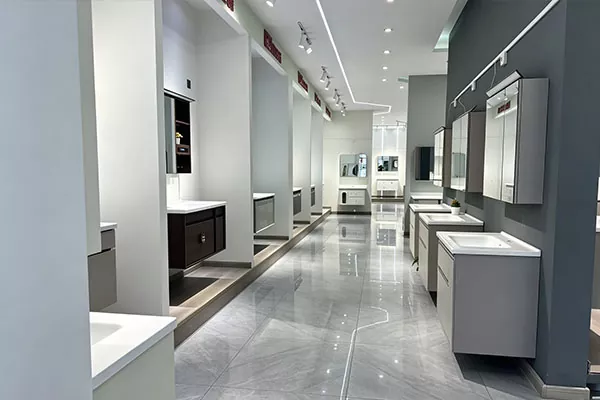
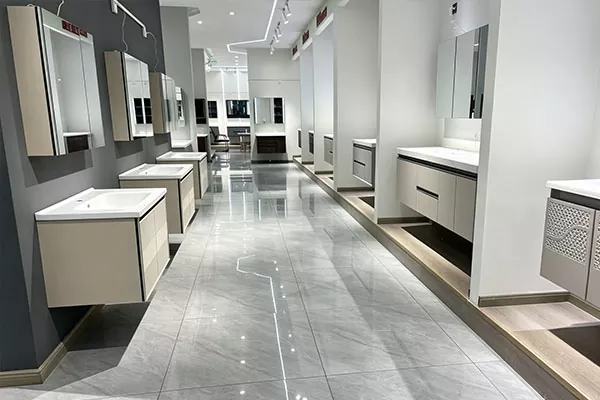
Designers frequently pair integrated tops with wall-hung vanities to carry the clean lines from the counter directly into the cabinetry. The absence of a visible sink rim also opens up possibilities for low-profile faucet designs and undermount or wall-mounted fixtures that reinforce the minimalist aesthetic.
Color and finish consistency is another design advantage. With a one-piece top, the counter and basin share exactly the same tone, texture, and sheen. There is no risk of a slight color mismatch between a separately purchased sink and counter, which can be a subtle but persistent visual annoyance in multi-component installations.
For bathrooms that lean toward a spa-like or hotel-inspired atmosphere, the integrated surface contributes to a sense of calm and order. Fewer transitions between materials mean fewer visual interruptions, and the result is a space that feels considered and cohesive rather than assembled from disparate parts.
Frequently asked questions
Can any countertop material be made into an integrated sink?
Is an integrated sink more difficult to repair than a standard basin?
Does a seamless design affect the faucet options available?
How does the weight of an integrated top compare to a separate counter and sink?
Can an integrated top be installed on an existing vanity cabinet?
Hongbaolai specializes in seamless bathroom solutions. Contact us to discuss your project requirements and receive a tailored proposal within 24 hours.