
QR Code

About Us
Contact Us


Email

Address
No. 6, Xuzhuang Village, Heshangqiao Town, Changge City, Henan Province, China

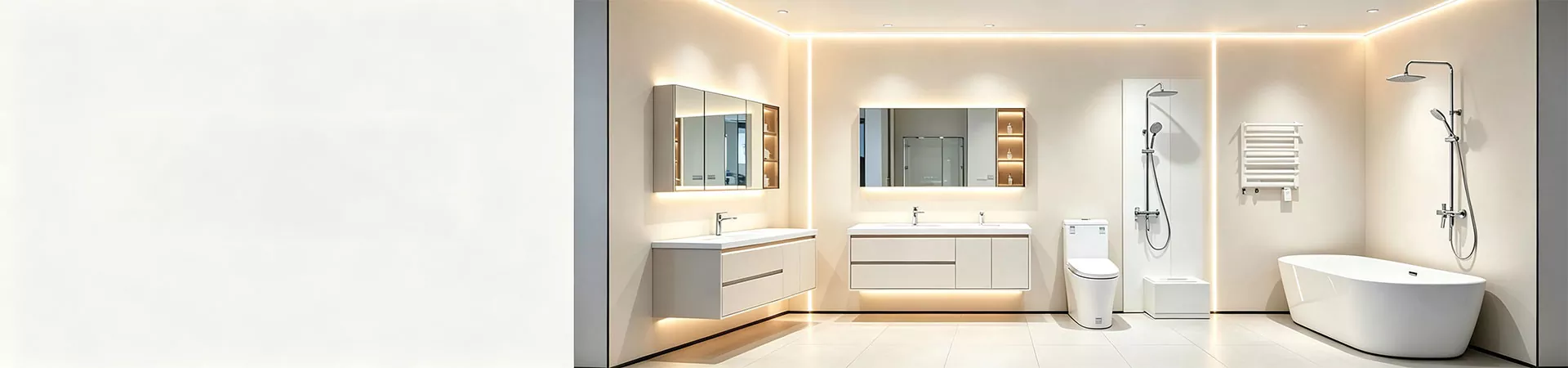
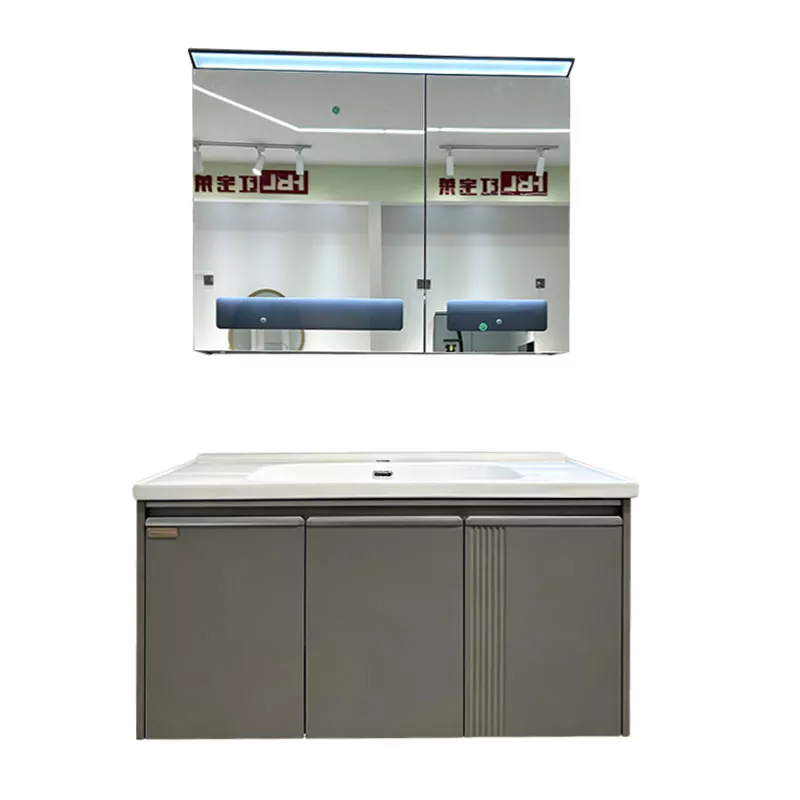
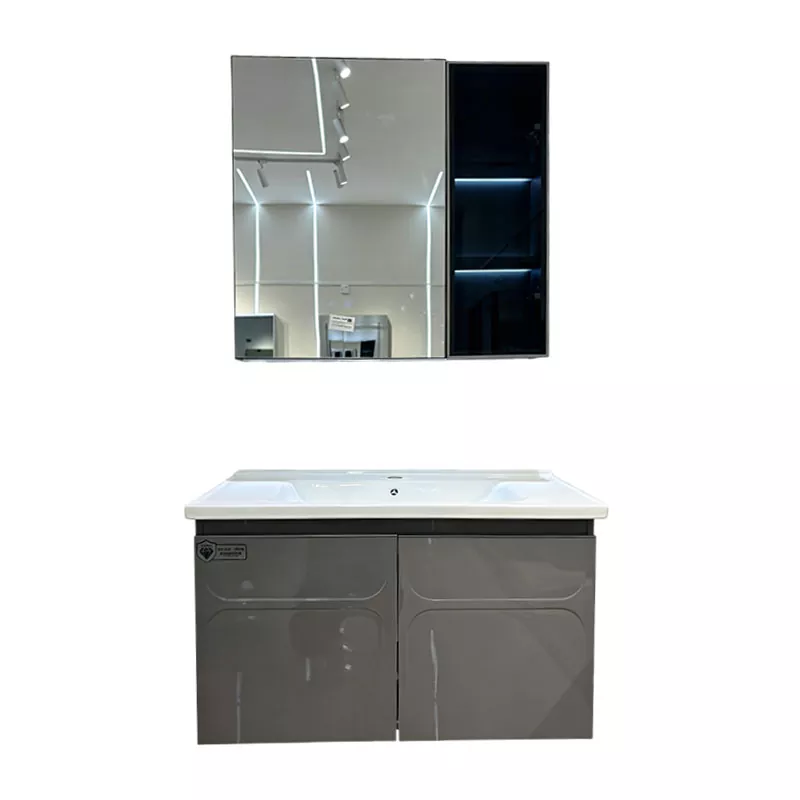
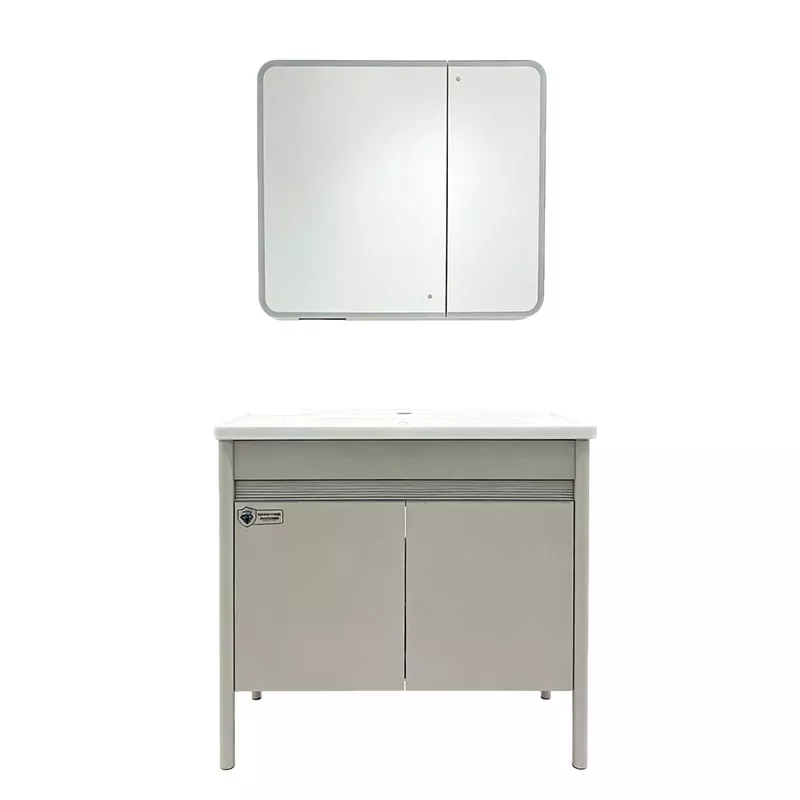
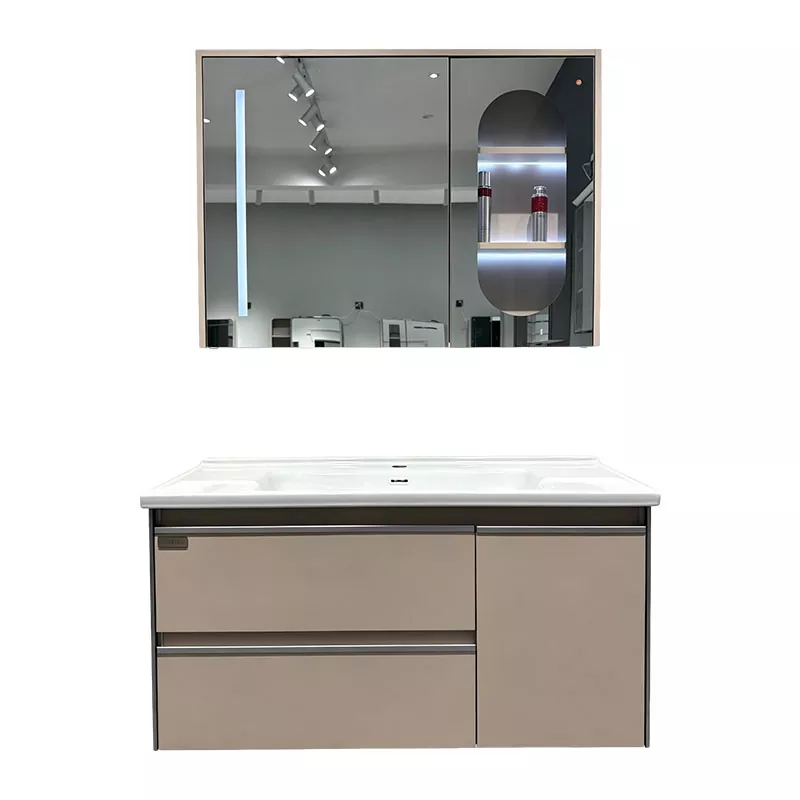
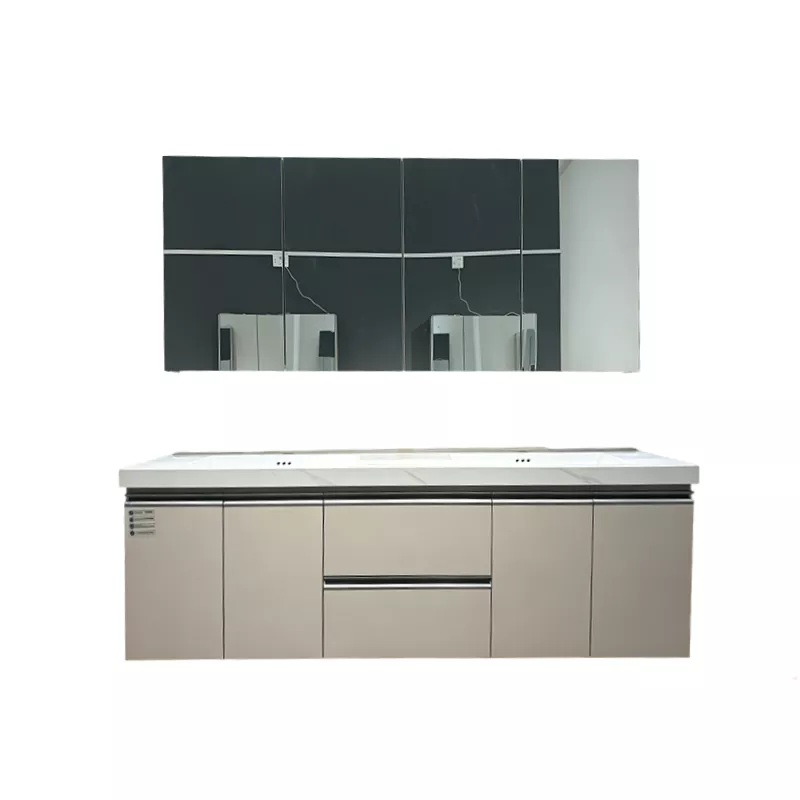
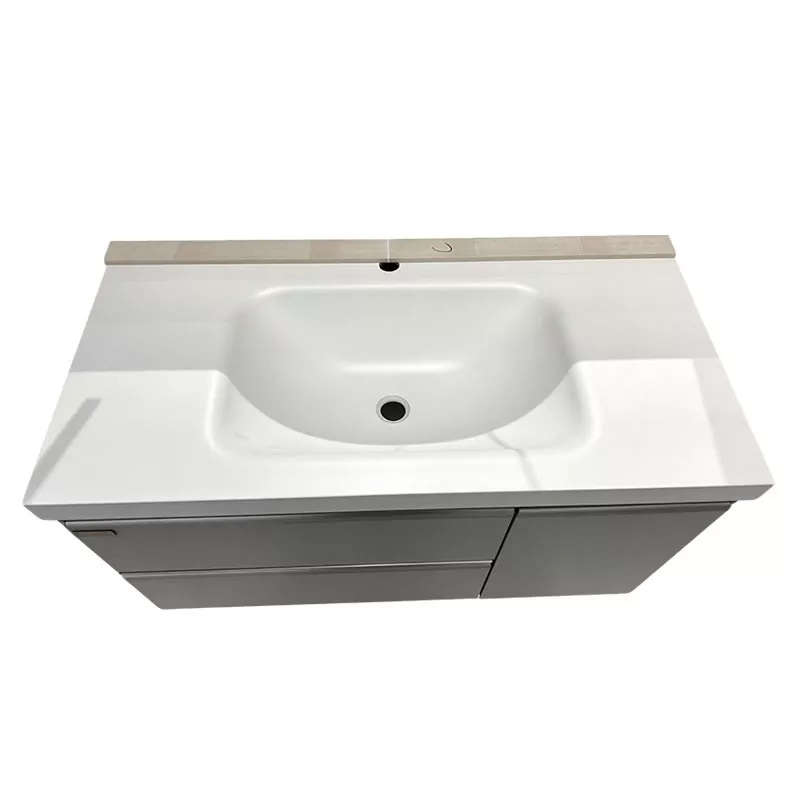
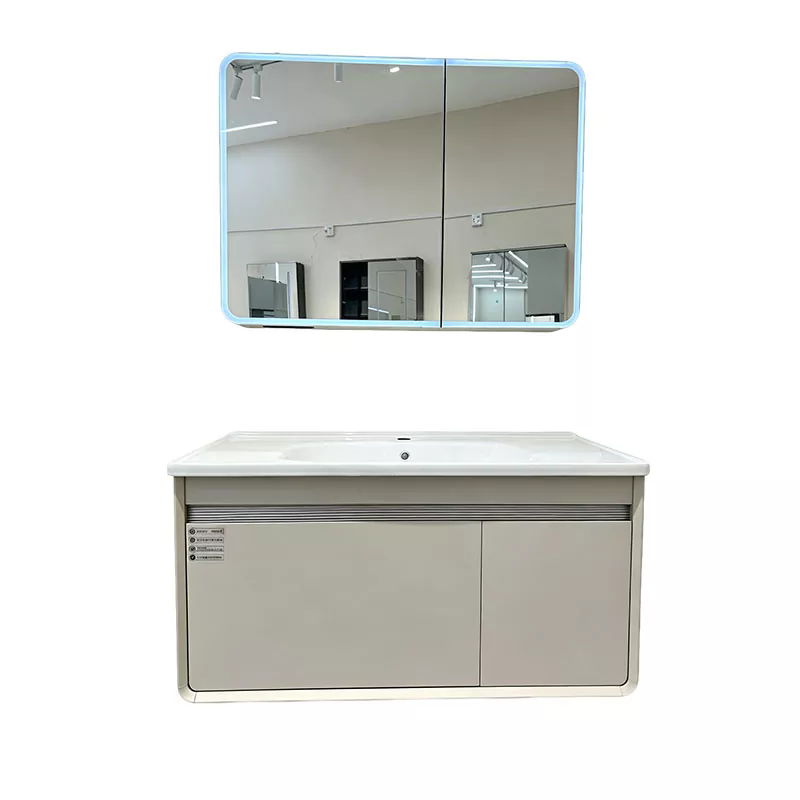
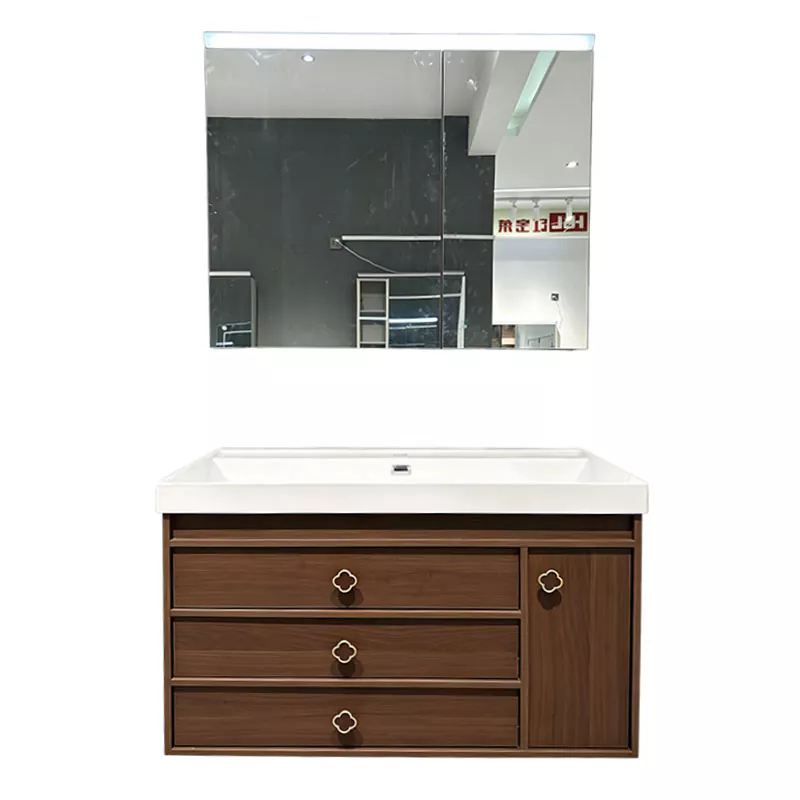
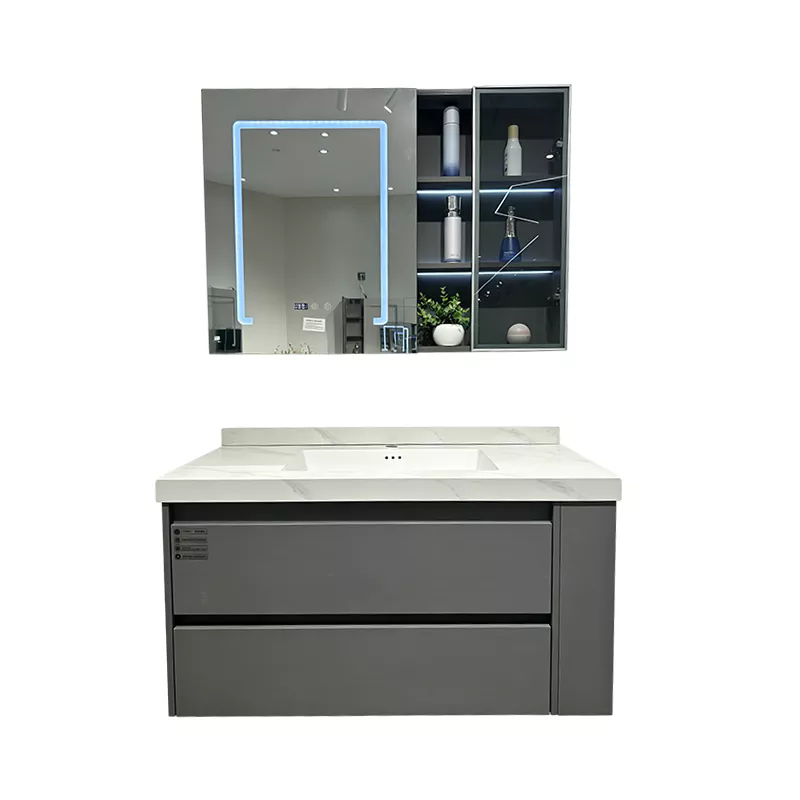
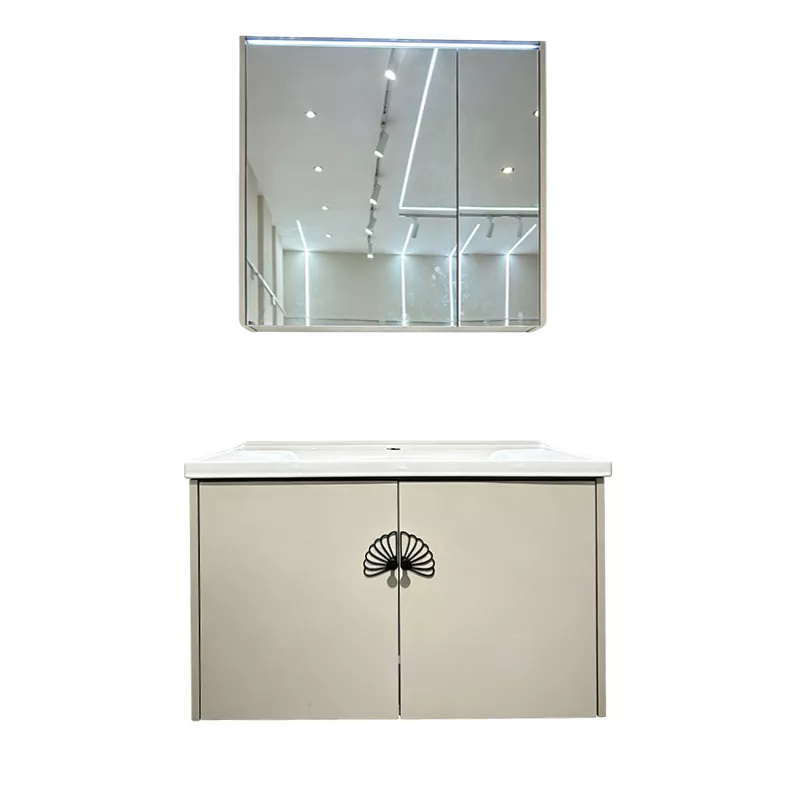
Open the door under a bathroom sink, and you will find a tangle of pipes: the P-trap, the supply lines, and often the shut-off valves. This is the plumbing that makes the sink work. In a well-designed bathroom, this tangle is hidden from view by the Bathroom Vanities. The vanity is not just a piece of furniture; it is a functional enclosure that conceals the plumbing, protects it from damage, and provides storage space. For a buyer sourcing Bathroom Vanities for a residential or commercial project, understanding how the vanity conceals plumbing is essential for selecting a product that is both practical and aesthetically pleasing. A vanity that does not provide adequate space for the plumbing will be difficult to install. A vanity that is poorly designed will leave gaps that expose the pipes.
This guide is written for buyers who need to evaluate Bathroom Vanities for their plumbing concealment capability. We will explain the different ways vanities conceal plumbing, the cabinet configurations that are best suited to different plumbing layouts, the role of the vanity's internal dimensions, and the criteria for selecting a vanity that balances appearance, storage, and plumbing access. We will also provide detailed product parameters from our factory at Xuchang Hongbaolai Sanitary Ware Co., Ltd. Whether you are sourcing vanities for a hotel renovation, an apartment complex, or a residential development, this guide will help you select a vanity that delivers a tidy appearance and reliable performance.
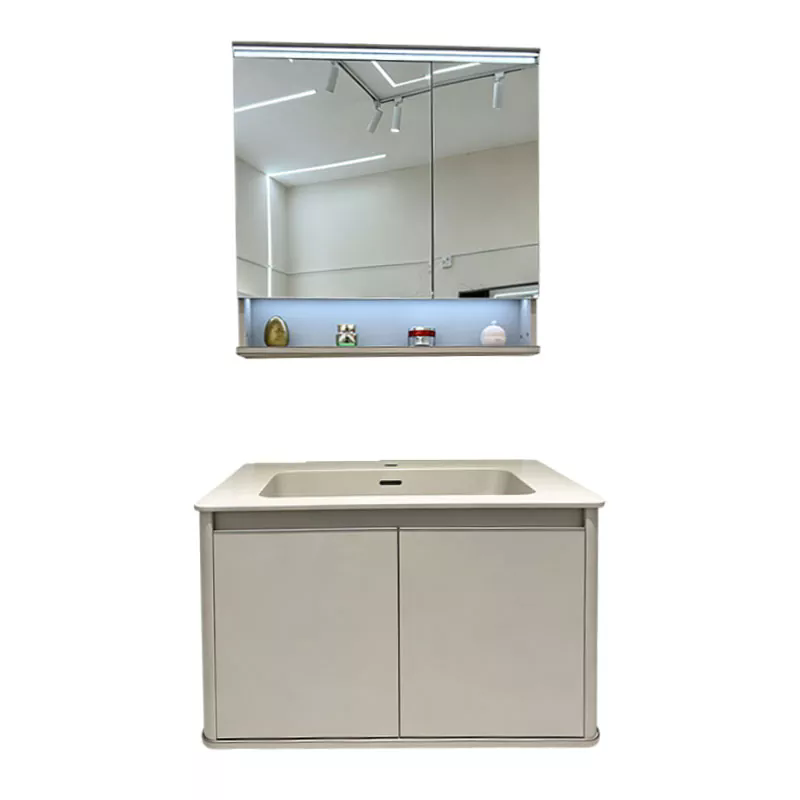
To understand how Bathroom Vanities conceal plumbing, it is helpful to first understand what is being concealed. The plumbing under a bathroom sink consists of several components. The drain pipe carries wastewater from the sink to the drain in the wall or floor. The P-trap is a curved section of pipe that holds a small amount of water to prevent sewer gases from entering the bathroom. The supply lines are two flexible or rigid pipes that carry hot and cold water to the faucet. The shut-off valves are located on the supply lines and allow the water to be turned off for repairs. The table below summarizes these components and their space requirements.
| Component | Function | Typical Space Requirement |
| Drain Pipe | Carries wastewater from sink | 25-40 mm diameter, extends from drain to wall or floor |
| P-Trap | Prevents sewer gas from entering | 150-200 mm vertical drop, 100-150 mm horizontal offset |
| Supply Lines | Carry hot and cold water to faucet | 10-15 mm diameter, extend from wall or floor to faucet |
| Shut-Off Valves | Allow water to be turned off for repairs | 50-80 mm from wall, 100-150 mm above floor |
At Xuchang Hongbaolai Sanitary Ware Co., Ltd., our factory designs Bathroom Vanities with an understanding of the space requirements of the plumbing. We provide vanities with different internal configurations to accommodate different plumbing layouts. Our engineering team can advise on the best vanity design for your specific plumbing installation.
The cabinet configuration of a Bathroom Vanities determines how well it accommodates the plumbing. There are three main configurations: the full cabinet, the open-back cabinet, and the open-shelf vanity. The full cabinet has a solid back panel and a bottom panel. It conceals the plumbing completely, but it requires a plumbing layout that fits within the cabinet's internal space. The open-back cabinet has no back panel, allowing the plumbing to pass through the back of the cabinet. This is the most common configuration for Bathroom Vanities because it accommodates a wide range of plumbing layouts. The open-shelf vanity has no cabinet doors and no enclosed storage. The plumbing is visible behind the shelves, but the shelves themselves provide some concealment. The table below compares these configurations.
| Configuration | Plumbing Concealment | Plumbing Accessibility | Storage Space |
| Full Cabinet | Complete | Limited | Maximum |
| Open-Back Cabinet | Complete (from front) | Good | Moderate |
| Open-Shelf Vanity | Partial | Excellent | Limited |
At our factory, we manufacture Bathroom Vanities in all three configurations. We recommend the open-back cabinet for most residential and commercial applications because it provides complete concealment from the front while allowing easy access to the plumbing for installation and maintenance. Our engineering team can help you select the configuration that is best suited to your plumbing layout and storage requirements.
The internal depth of the Bathroom Vanities is a critical factor in plumbing concealment. The depth is the distance from the front of the cabinet to the back panel. The plumbing, including the P-trap and the supply lines, requires a certain amount of space behind the drawer or shelf. If the vanity is too shallow, the plumbing will protrude into the storage area, reducing usable space and potentially interfering with the drawer. If the vanity is too deep, it may extend too far into the bathroom, reducing floor space. The ideal internal depth provides enough space for the plumbing while maintaining a comfortable distance from the sink to the front of the vanity. The table below provides a guide to internal depth requirements.
| Vanity Width | Recommended Internal Depth | Plumbing Space Available | Storage Space |
| 600 mm | 450 mm | 150 mm | 300 mm |
| 800 mm | 500 mm | 150 mm | 350 mm |
| 1000 mm | 550 mm | 150 mm | 400 mm |
| 1200 mm | 550 mm | 150 mm | 400 mm |
At HBL, our factory designs Bathroom Vanities with an internal depth that provides adequate space for the plumbing while maximizing storage. We also offer vanities with adjustable shelves and drawers that can be configured to accommodate the plumbing. Our goal is to provide a vanity that conceals the plumbing without sacrificing storage or comfort.
The choice between an open and closed vanity affects both the appearance of the bathroom and the accessibility of the plumbing. A closed vanity has doors or drawers that cover the entire front of the cabinet. The plumbing is completely concealed, and the bathroom has a clean, uncluttered look. However, accessing the plumbing for repairs requires opening the doors or removing the drawers. An open vanity has no doors or drawers, and the plumbing is visible behind the shelves. This can be a design feature in some bathrooms, but it is not ideal for a tidy appearance. The table below compares the two types.
| Feature | Closed Vanity | Open Vanity |
| Plumbing Concealment | Complete | Partial (plumbing visible) |
| Plumbing Access | Requires opening doors | Direct access |
| Storage | Enclosed | Open shelving |
| Aesthetic | Tidy, uncluttered | Casual, functional |
| Typical Application | Residential, hotel bathrooms | Commercial, public restrooms |
At our factory, we manufacture Bathroom Vanities in both closed and open configurations. We recommend the closed configuration for residential and hotel bathrooms where a tidy appearance is a priority. For commercial or public restrooms, the open configuration may be preferred for its ease of maintenance. Our engineering team can help you select the right configuration for your application.
The material of the Bathroom Vanities affects both its ability to conceal plumbing and its durability in a humid bathroom environment. The most common materials are solid wood, plywood, MDF (medium-density fiberboard), and PVC. Solid wood is durable and has a premium appearance, but it is susceptible to moisture damage if not properly sealed. Plywood is more moisture-resistant than solid wood and is often used for the cabinet box. MDF is economical and easy to finish, but it can swell if it comes into contact with water. PVC is completely waterproof and is ideal for humid environments, but it has a less premium appearance. The table below compares these materials.
| Material | Moisture Resistance | Durability | Appearance | Cost |
| Solid Wood | Moderate (requires sealing) | High | Premium | High |
| Plywood | Good | High | Good | Medium |
| MDF | Poor (swells when wet) | Moderate | Good | Low |
| PVC | Excellent | High | Moderate | Medium |
At Xuchang Hongbaolai Sanitary Ware Co., Ltd., our factory uses a range of materials for our Bathroom Vanities, including solid wood, plywood, MDF, and PVC. We select the material based on the customer's requirements for moisture resistance, durability, appearance, and cost. Our goal is to provide a vanity that is both beautiful and durable in the humid bathroom environment.
Evaluating a supplier of Bathroom Vanities requires a focus on design capability, manufacturing quality, material selection, and delivery performance. The supplier must have the design capability to produce vanities that accommodate different plumbing layouts. They must have the manufacturing quality to ensure that the cabinet is square, the doors are aligned, and the finish is durable. They must offer a range of materials to suit different budgets and environments. And they must have a reliable delivery performance to meet project schedules. The table below summarizes the evaluation criteria.
| Evaluation Criterion | What to Look For | Why It Matters |
| Design Capability | Custom sizes, configurations, and plumbing layouts | Ensures the vanity fits the bathroom and plumbing |
| Manufacturing Quality | Precision cutting, assembly, and finishing | Ensures durability and appearance |
| Material Selection | Solid wood, plywood, MDF, PVC options | Matches the environment and budget |
| Delivery Performance | On-time delivery record, production capacity | Meets project schedules |
| After-Sales Support | Warranty, replacement parts | Ensures long-term satisfaction |
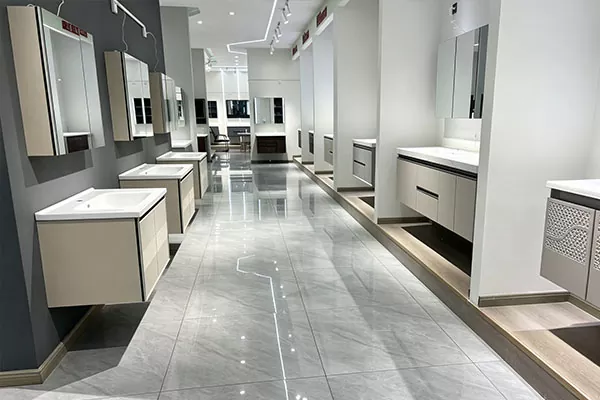
At our factory, we have been producing Bathroom Vanities for over a decade. We offer a wide range of standard and custom designs, and we use high-quality materials and precision manufacturing processes. We have a strong track record of on-time delivery and customer satisfaction. We invite you to evaluate us against these criteria and to consider us as your partner for Bathroom Vanities.
The following table provides the key product parameters for our Bathroom Vanities. These vanities are designed to conceal plumbing while providing storage and a tidy appearance. Our factory can also produce custom vanities to meet specific requirements.
| Parameter | Specification Range | Notes |
| Width | 600 mm - 1,800 mm | Custom sizes available |
| Depth | 450 mm - 600 mm | Selected for plumbing space |
| Height | 800 mm - 900 mm | Standard counter height |
| Cabinet Configuration | Full Cabinet, Open-Back, Open-Shelf | Selected for plumbing layout |
| Material | Solid Wood, Plywood, MDF, PVC | Selected for moisture and budget |
| Door Type | Hinged, Sliding, Drawer | Selected for access and storage |
| Finish | Paint, Laminate, Veneer | Selected for appearance and durability |
| MOQ | 50 pieces | Negotiable for large orders |
| Lead Time | 3 - 6 weeks | Depends on quantity and customization |
At our factory, we manufacture our Bathroom Vanities to meet these specifications and more. We can customize the width, depth, cabinet configuration, material, and finish to suit your specific requirements. Our quality control system includes inspection of raw materials, in-process inspection, and final inspection before shipment. Our goal is to provide our customers with high-quality Bathroom Vanities that conceal plumbing and enhance the appearance of the bathroom.
Question 1: What is the best vanity configuration for concealing plumbing?
Answer: The open-back cabinet is the best configuration for concealing plumbing while allowing easy access for installation and maintenance. The open back allows the plumbing to pass through the back of the cabinet, and the closed front conceals the plumbing from view. For a completely enclosed look, a full cabinet can be used, but it requires a plumbing layout that fits within the cabinet's internal space.
Question 2: How much internal depth does a bathroom vanity need for plumbing?
Answer: A bathroom vanity typically needs an internal depth of at least 450 mm to accommodate the P-trap and supply lines. For larger vanities (800 mm and above), an internal depth of 500-550 mm provides more comfortable plumbing space. The exact requirement depends on the plumbing layout and the type of P-trap used. Our technical team can advise on the appropriate depth for your specific installation.
Question 3: Can I install a vanity over existing plumbing without moving the pipes?
Answer: In many cases, yes. If the existing plumbing is in good condition and the vanity is selected with an appropriate internal configuration (such as an open-back cabinet), the vanity can be installed over the existing plumbing without moving the pipes. However, if the plumbing is old or poorly located, it may be necessary to modify it before installing the new vanity. We recommend having a plumber inspect the existing plumbing before finalizing the vanity selection.
Question 4: How do I access the plumbing if I need to make a repair?
Answer: If the vanity has cabinet doors, the plumbing can be accessed by opening the doors and reaching behind the drawer or shelf. If the vanity has drawers, the drawers can be removed to provide access. For a full cabinet with no doors, access may require removing the back panel or cutting an access hole. This is why the open-back cabinet is preferred for ease of maintenance.
Question 5: What is the best material for a bathroom vanity in a humid environment?
Answer: For a humid bathroom environment, PVC is the most moisture-resistant material and is ideal for long-term durability. Plywood is also a good choice because it resists moisture better than MDF or solid wood. If solid wood or MDF is used, it should be properly sealed with a waterproof finish to prevent moisture damage. At Xuchang Hongbaolai Sanitary Ware Co., Ltd., we offer a range of materials to suit different environments and budgets.
Bathroom Vanities conceal plumbing for a tidy appearance by enclosing the P-trap, supply lines, and shut-off valves within the cabinet. The cabinet configuration, internal depth, and material selection all affect how well the vanity conceals the plumbing and how easily the plumbing can be accessed for maintenance. By understanding these factors, buyers can select a vanity that delivers a clean, uncluttered look without sacrificing functionality. At Xuchang Hongbaolai Sanitary Ware Co., Ltd., our factory has the expertise and the equipment to produce high-quality Bathroom Vanities in a range of configurations, sizes, and materials. We work with our customers to ensure that the vanity they select meets their plumbing and design requirements.
Whether you are sourcing vanities for a hotel renovation, an apartment complex, or a residential development, we invite you to contact us to discuss your requirements. We can provide samples, technical data, and customized solutions. Our commitment to quality and customer satisfaction has made us a trusted partner for bathroom projects around the world.
Contact Xuchang Hongbaolai Sanitary Ware Co., Ltd. today to discuss your Bathroom Vanity requirements and discover how our products can conceal plumbing and enhance your bathroom design.
No. 6, Xuzhuang Village, Heshangqiao Town, Changge City, Henan Province, China