
QR Code

About Us
Contact Us


Email

Address
No. 6, Xuzhuang Village, Heshangqiao Town, Changge City, Henan Province, China


A hotel maintenance manager is reviewing the condition of bathroom vanities across a 200-room property. The solid wood vanities installed five years ago are showing signs of water damage: swelling at the base, peeling veneer, and mold growth in the corners. The cost of repair and replacement is significant, and the disruption to guests is even more concerning. This scenario is repeated in residential complexes, rental properties, and commercial buildings around the world. The root cause is moisture. Bathrooms are wet environments, and traditional wood or MDF vanities are vulnerable to water damage, requiring constant maintenance and eventual replacement. This is where PVC Bathroom Vanities offer a compelling alternative.
This guide is written for procurement managers, property developers, and facility maintenance teams who need to select bathroom vanities that minimize maintenance costs and maximize service life. We will explain why PVC bathroom vanities are easier to maintain than traditional materials, the specific properties that make them resistant to water and stains, the key specifications to include in a purchase order, and the criteria for evaluating a supplier. We will also provide detailed product parameters from our factory at Xuchang Hongbaolai Sanitary Ware Co., Ltd. Whether you are furnishing a hotel, an apartment complex, or a residential project, this guide will help you make an informed decision that reduces long-term maintenance costs and improves customer satisfaction.
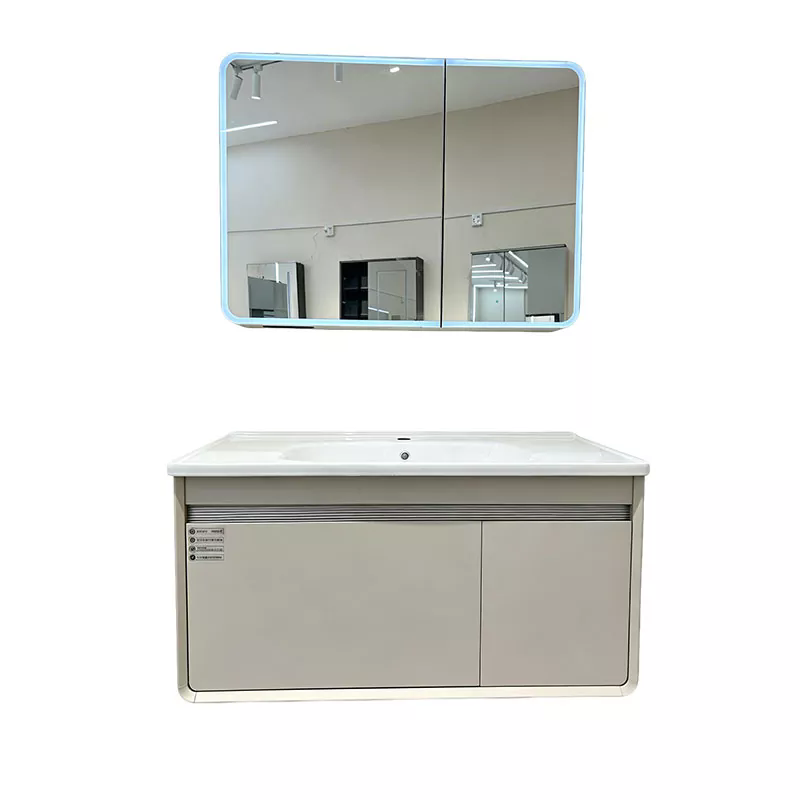
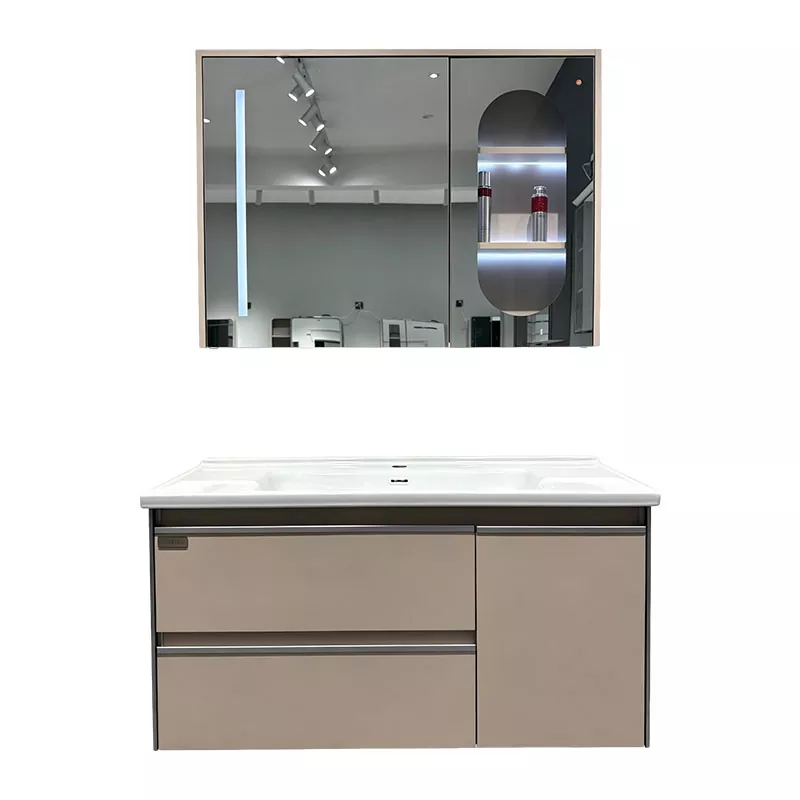
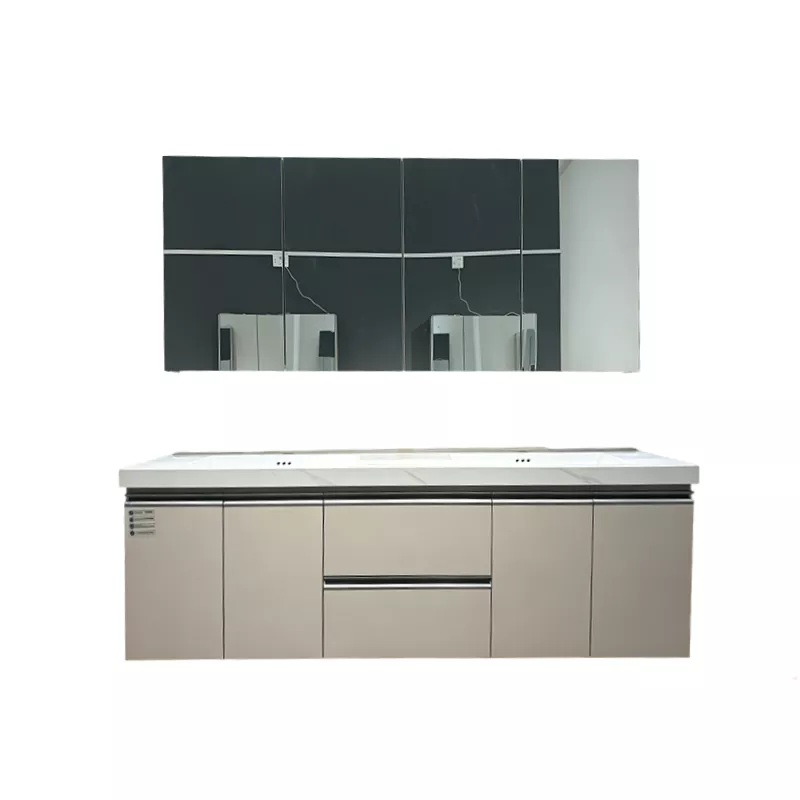
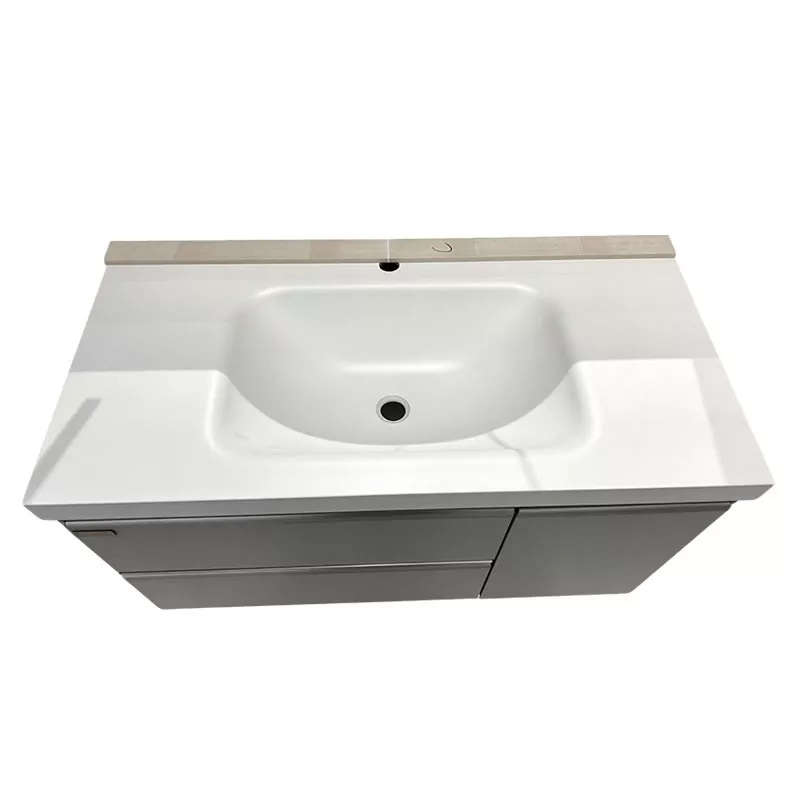
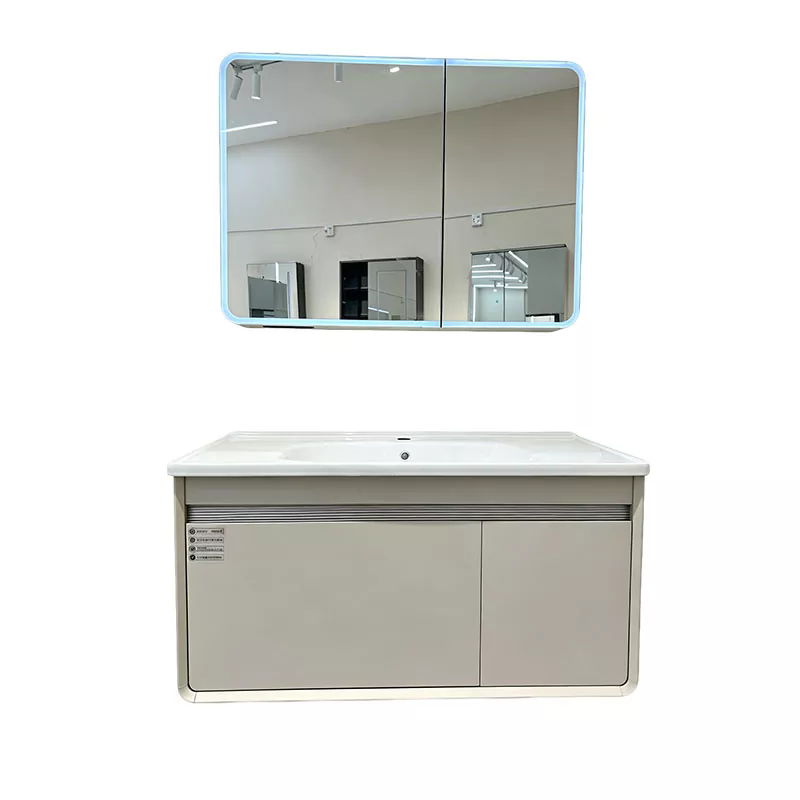
A PVC bathroom vanity is a bathroom cabinet and countertop unit constructed primarily from polyvinyl chloride (PVC) foam board or PVC-coated panels. Unlike wood or MDF vanities, which are made from natural fibers that absorb water, PVC vanities are made from a synthetic polymer that is inherently waterproof. The manufacturing process begins with PVC resin, which is mixed with additives such as stabilizers, foaming agents, and colorants. The mixture is extruded or molded into rigid foam boards. These boards are then cut, machined, and assembled into the vanity cabinet. The edges are sealed with PVC edge banding, and the surfaces may be laminated or veneered with decorative finishes. The result is a vanity that looks like wood but performs like plastic. The table below compares the construction of PVC and wood vanities.
| Component | PVC Vanity | Wood/MDF Vanity |
| Body Material | PVC foam board or PVC-coated panel | Plywood, MDF, or particleboard |
| Water Absorption | None (waterproof) | High (swells and warps) |
| Edge Sealing | PVC edge banding (waterproof) | Melamine or wood veneer (vulnerable) |
| Surface Finish | Laminated PVC film (waterproof) | Paint, veneer, or laminate (can peel) |
| Mold Resistance | Excellent | Poor (mold grows in damp wood) |
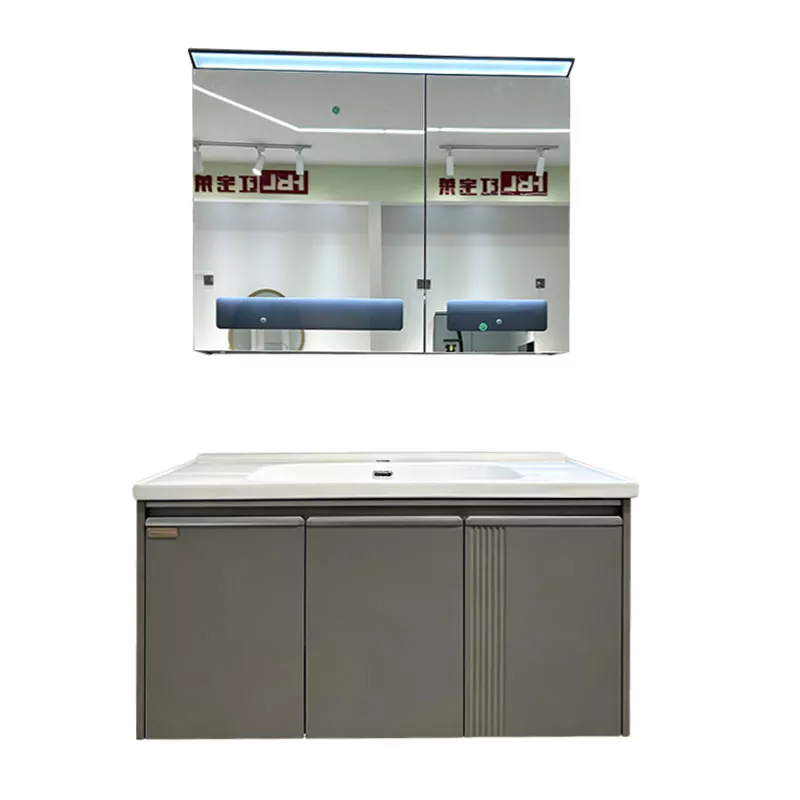
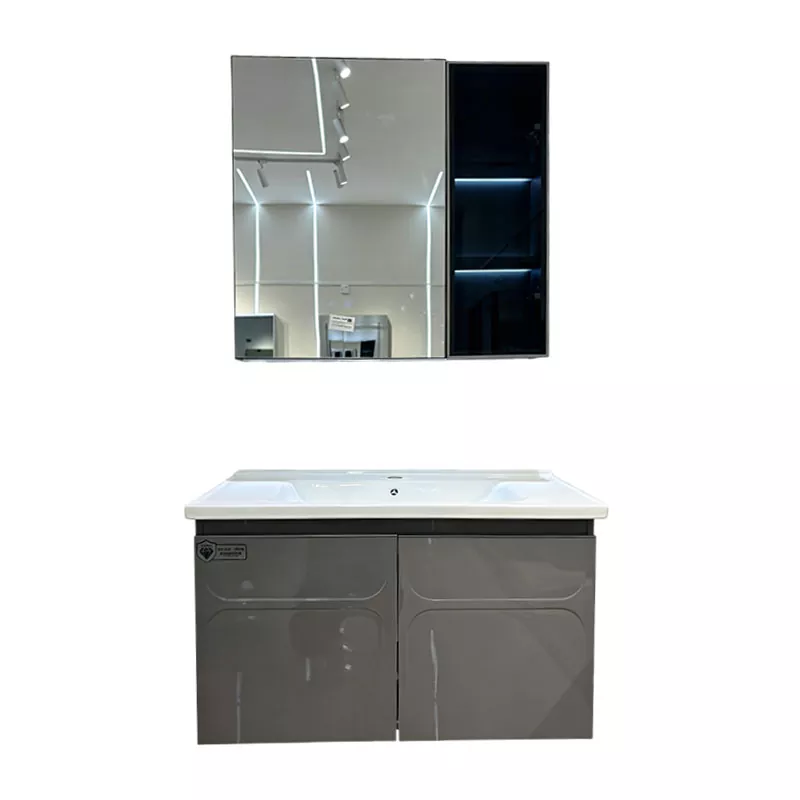
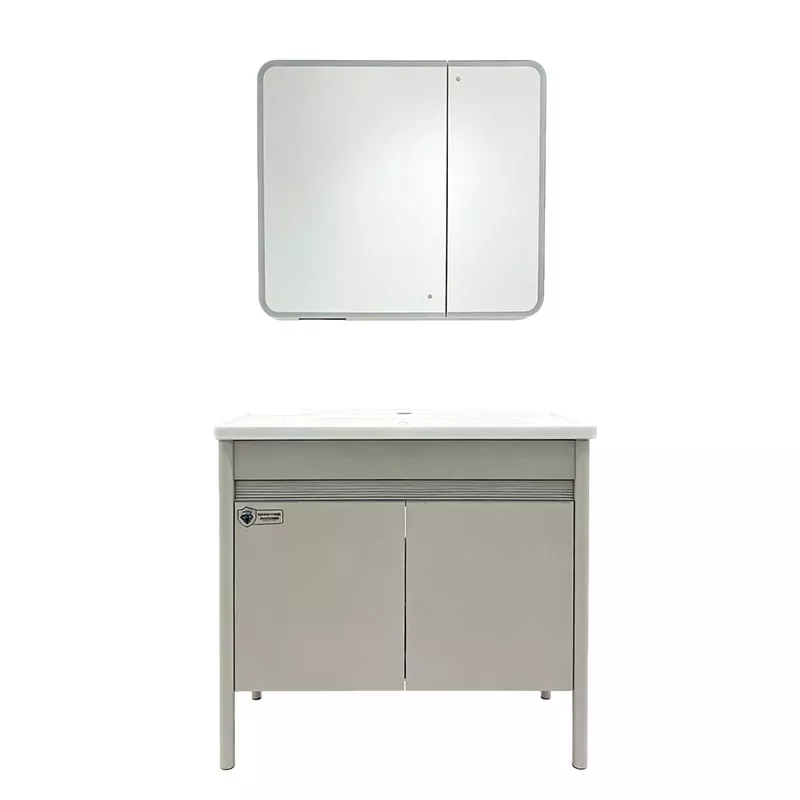
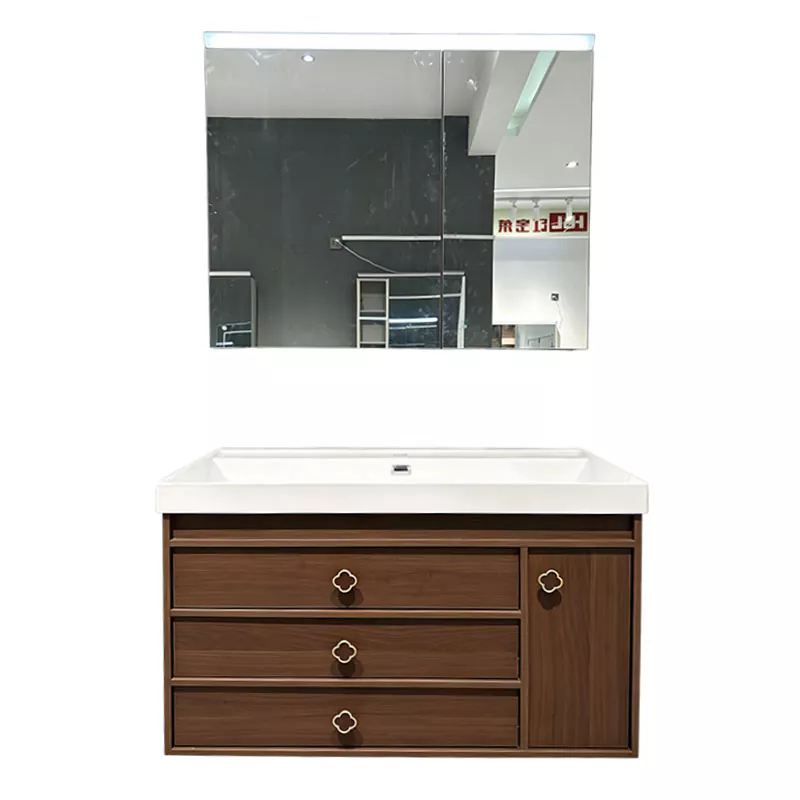
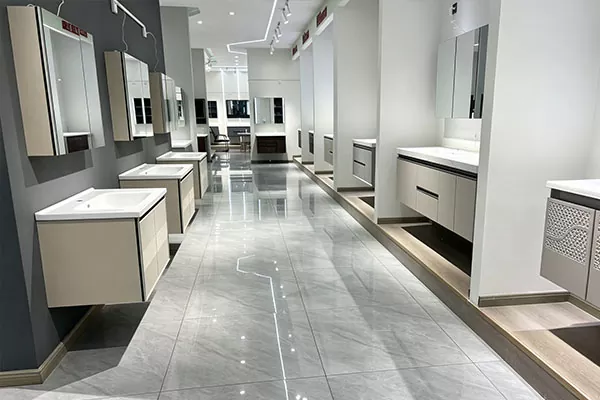
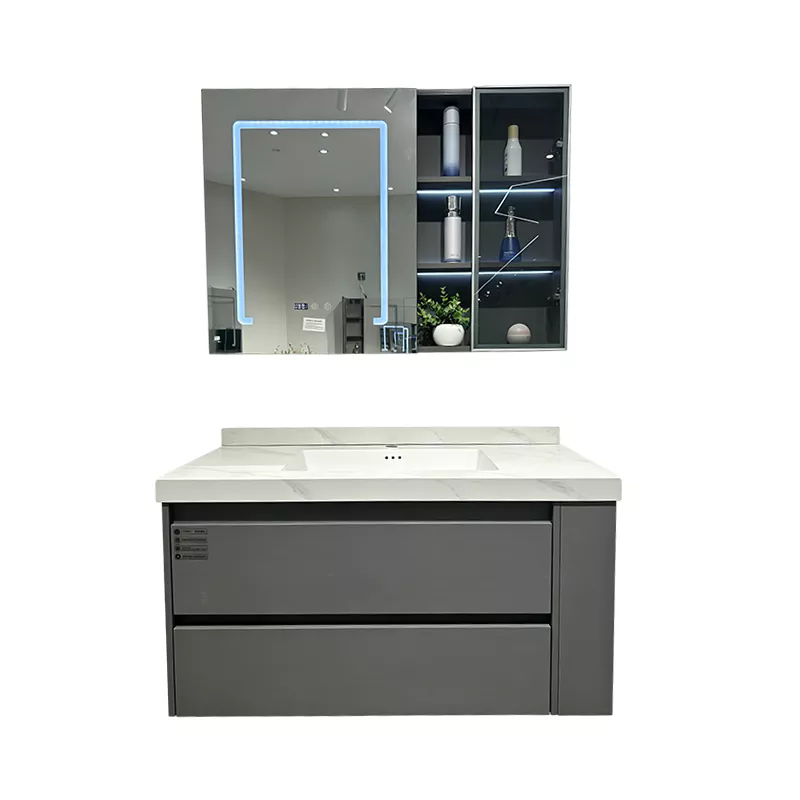
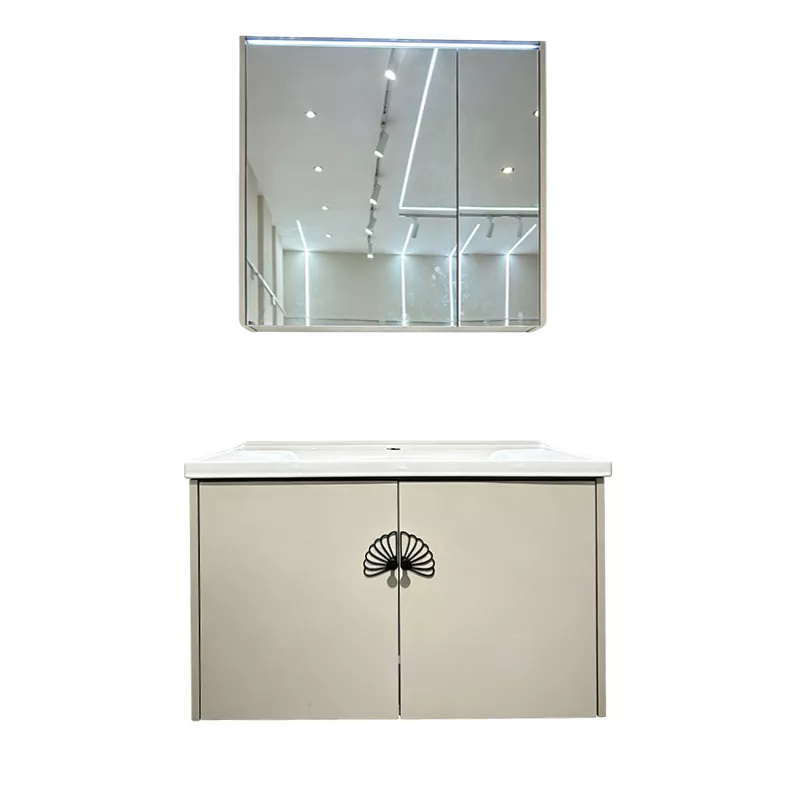
At Xuchang Hongbaolai Sanitary Ware Co., Ltd., our factory specializes in the production of PVC Bathroom Vanities. We use high-quality PVC foam boards and advanced manufacturing processes to produce vanities that are durable, waterproof, and easy to maintain. Our product range includes floor-mounted and wall-mounted vanities in a variety of styles and finishes.
The ease of cleaning and maintenance is one of the most significant advantages of PVC bathroom vanities. Wood and MDF vanities have porous surfaces that can absorb stains, harbor bacteria, and require special cleaning products. Over time, the finish can wear away, and the wood can become discolored or damaged. PVC vanities, by contrast, have a non-porous surface that resists stains and is easy to wipe clean. The smooth surface prevents the accumulation of dirt and grime, and it can be cleaned with standard household cleaners without the risk of damage. The table below compares the cleaning and maintenance requirements of PVC and wood vanities.
| Maintenance Task | PVC Vanity | Wood/MDF Vanity |
| Routine Cleaning | Wipe with damp cloth and mild detergent | Requires special wood cleaners; avoid excess water |
| Stain Resistance | Excellent (non-porous) | Poor (stains penetrate surface) |
| Mold and Mildew | Resistant (no organic material) | Susceptible (requires regular treatment) |
| Water Damage | None (waterproof) | Swelling, warping, delamination |
| Long-Term Maintenance | Minimal | Requires refinishing, sealing, and repair |
At our factory, we design our PVC Bathroom Vanities with smooth, non-porous surfaces that are easy to clean. We use high-quality PVC films and edge banding that resist peeling and discoloration. Our vanities are designed to withstand the humid environment of a bathroom without requiring special care or maintenance. This makes them an ideal choice for hotels, rental properties, and high-traffic residential buildings where maintenance resources are limited.
Moisture is the primary enemy of bathroom furniture. Wood and MDF vanities absorb moisture from the air, from splashes, and from leaks. This absorption causes swelling, warping, delamination, and mold growth. Over time, the structural integrity of the vanity is compromised, and it must be replaced. PVC vanities are inherently waterproof. They do not absorb moisture, so they do not swell, warp, or delaminate. The structural integrity of the vanity is maintained for decades, even in the most humid bathroom environments. The table below illustrates the effect of moisture exposure on PVC and wood vanities.
| Exposure Condition | PVC Vanity | Wood/MDF Vanity |
| High Humidity (80%+ RH) | No effect | Absorbs moisture, swells |
| Direct Water Splash | No effect | Stains, warping, veneer peeling |
| Standing Water | No effect | Swelling, delamination, mold |
| Long-Term Exposure | Stable for 10-20 years | Degrades within 3-5 years |
At Xuchang Hongbaolai Sanitary Ware Co., Ltd., our factory tests our PVC Bathroom Vanities for water resistance and dimensional stability. We use 100% waterproof PVC foam boards and sealed edges to ensure that our vanities are completely protected from moisture. Our vanities are backed by a warranty that reflects our confidence in their durability.
When purchasing PVC Bathroom Vanities, the buyer should include detailed specifications in the purchase order to ensure that the product meets the required performance and quality standards. The key specifications are the dimensions, the PVC board thickness, the density, the finish, the hardware, the sink compatibility, and the packaging. The dimensions should be specified in millimeters or inches. The board thickness should be specified in millimeters (typically 18mm to 25mm). The density should be specified in kilograms per cubic meter. The finish should be specified by type (e.g., laminated, painted, veneered). The hardware should be specified by material (e.g., stainless steel, aluminum). The sink compatibility should be specified by type (e.g., ceramic, resin). The packaging should be specified by the number of units per carton. The table below summarizes the specifications that should be included in a purchase order.
| Specification | Unit of Measure | Example |
| Dimensions | mm or inches | 800 x 480 x 850 mm |
| PVC Board Thickness | mm | 18 mm |
| Density | kg/m³ | 550 - 600 kg/m³ |
| Finish | Type | Laminated PVC film, wood grain |
| Hardware | Material | Stainless steel hinges and handles |
| Sink Compatibility | Type | Ceramic undermount or integrated |
| Packaging | Units per carton | 1 unit per carton |
At our factory, we work with our customers to ensure that all specifications are clearly defined and understood before production begins. We provide samples for approval and maintain strict quality control throughout the production process. Our goal is to deliver PVC Bathroom Vanities that meet or exceed our customers' expectations.
Evaluating a supplier of PVC Bathroom Vanities is critical for ensuring a reliable supply of high-quality products. The key criteria for evaluating a supplier are manufacturing capability, material quality, quality management, production capacity, delivery performance, and technical support. Manufacturing capability includes the ability to extrude PVC foam board, machine and assemble the vanity, and apply finishes. Material quality includes the quality of the PVC resin and the consistency of the board density. Quality management includes the systems and processes that ensure consistent quality. Production capacity includes the ability to meet large orders in a timely manner. Delivery performance includes the ability to meet lead times and to respond to urgent orders. Technical support includes the ability to assist with design, specification, and problem-solving. The table below summarizes these criteria and what to look for in each.
| Evaluation Criterion | What to Look For | Why It Matters |
| Manufacturing Capability | Extrusion lines, CNC machining, assembly lines | Ensures product quality and consistency |
| Material Quality | High-quality PVC resin, consistent density | Ensures waterproof performance and durability |
| Quality Management | ISO 9001 certification, inspection records | Ensures consistent product quality |
| Production Capacity | Monthly output, ability to scale | Ensures timely delivery of large orders |
| Delivery Performance | On-time delivery record, inventory capability | Keeps your project on schedule |
| Technical Support | Engineering team, design assistance | Helps you select the right product |
At Xuchang Hongbaolai Sanitary Ware Co., Ltd., our factory has been producing PVC Bathroom Vanities for over a decade. We have a strong track record of quality, delivery, and customer satisfaction. We are ISO 9001 certified, and we maintain detailed records of all inspections. Our production capacity is among the largest in the region, and we can scale to meet large orders. Our technical team is knowledgeable and responsive, and we are committed to helping our customers succeed. We invite you to evaluate us against these criteria and to consider us as your partner for PVC Bathroom Vanities.
The following table provides the key product parameters for our PVC Bathroom Vanities. These vanities are designed for hotels, apartments, residential projects, and commercial buildings. Our factory can also produce custom vanities to meet specific requirements.
| Parameter | Specification Range | Notes |
| Width | 600 - 1,200 mm | Custom sizes available |
| Depth | 450 - 550 mm | Standard bathroom depth |
| Height | 800 - 850 mm | Standard vanity height |
| PVC Board Thickness | 18 - 25 mm | Thicker board for larger vanities |
| Density | 550 - 600 kg/m³ | High density for strength and durability |
| Finish | Laminated PVC film (wood grain, solid color, marble) | Custom finishes available |
| Hardware | Stainless steel or aluminum | Rust-resistant hardware |
| Sink Type | Integrated, undermount, or vessel | Selected for design preference |
| Mounting | Floor-mounted or wall-mounted | Selected for installation requirements |
| MOQ | 50 sets | Negotiable for large orders |
| Lead Time | 3 - 5 weeks | Depends on quantity and customization |
At our factory, we manufacture our PVC Bathroom Vanities to meet these specifications and more. We can customize the dimensions, finishes, hardware, and sink compatibility to suit your specific requirements. Our quality control system includes inspection of raw materials, in-process inspection, and final inspection before shipment. Our goal is to provide our customers with high-quality PVC Bathroom Vanities that offer easy maintenance and long service life.
Question 1: Are PVC bathroom vanities as durable as wood vanities?
Answer: PVC bathroom vanities are more durable than wood vanities in wet environments. They are waterproof, rot-resistant, and mold-resistant, so they do not suffer from the swelling, warping, and delamination that affect wood vanities. In terms of structural strength, high-density PVC foam board is comparable to MDF. With proper installation, a PVC vanity can last 10-20 years, which is longer than a wood vanity in a bathroom environment.
Question 2: Can PVC vanities be repaired if they are damaged?
Answer: Minor damage to a PVC vanity can be repaired. Scratches can be polished out, and small chips can be filled with PVC repair compound. However, major damage, such as a cracked board or a broken cabinet, may require replacement of the damaged part. The good news is that PVC is easy to work with, and repairs are generally simpler than with wood.
Question 3: Do PVC vanities look cheap compared to wood?
Answer: Modern PVC bathroom vanities are available with high-quality laminates and finishes that closely mimic the look of wood, stone, or marble. The visual difference between a high-quality PVC vanity and a wood vanity is minimal, especially from a distance. Many hotels and residential developers use PVC vanities because they offer the appearance of premium materials with the durability and low maintenance of PVC.
Question 4: How do I clean a PVC bathroom vanity?
Answer: Cleaning a PVC bathroom vanity is simple. Wipe the surface with a damp cloth and a mild detergent. Avoid abrasive cleaners or scouring pads, which can scratch the surface. For stubborn stains, use a soft cloth with a diluted vinegar solution. Rinse with clean water and dry with a soft cloth. No special products are required, and the surface will remain looking new for years.
Question 5: Are PVC vanities suitable for commercial use?
Answer: Yes, PVC bathroom vanities are ideal for commercial use, including hotels, restaurants, offices, and public facilities. They are durable, easy to clean, and resistant to moisture and heavy use. They require less maintenance than wood vanities, which is a significant advantage in commercial settings where maintenance resources are limited. Many commercial projects specify PVC vanities for these reasons.
PVC bathroom vanities offer significant benefits for easy maintenance. They are waterproof, stain-resistant, mold-resistant, and easy to clean. They do not swell, warp, or delaminate like wood vanities, and they require minimal long-term maintenance. For hotels, rental properties, and residential projects, these benefits translate into lower maintenance costs, longer service life, and higher customer satisfaction. At Xuchang Hongbaolai Sanitary Ware Co., Ltd., our factory has the expertise and the equipment to produce high-quality PVC Bathroom Vanities that meet the most demanding requirements. We use high-quality materials, precision manufacturing, and rigorous quality control to ensure that our vanities provide reliable performance and easy maintenance.
Whether you are furnishing a hotel, an apartment complex, or a residential project, we invite you to contact us to discuss your requirements. We can provide samples, technical data, and customized solutions. Our commitment to quality and customer satisfaction has made us a trusted partner for businesses around the world.
Contact Xuchang Hongbaolai Sanitary Ware Co., Ltd. today to discuss your PVC Bathroom Vanity requirements and discover how our products can reduce maintenance and enhance your bathroom spaces.
No. 6, Xuzhuang Village, Heshangqiao Town, Changge City, Henan Province, China