
QR Code

About Us
Contact Us


Email

Address
No. 6, Xuzhuang Village, Heshangqiao Town, Changge City, Henan Province, China

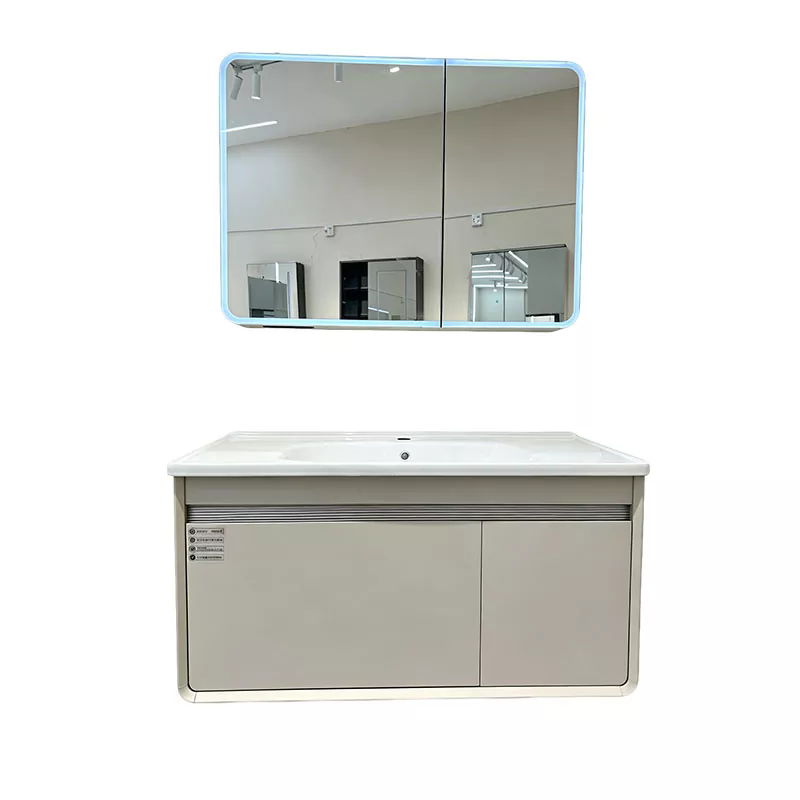
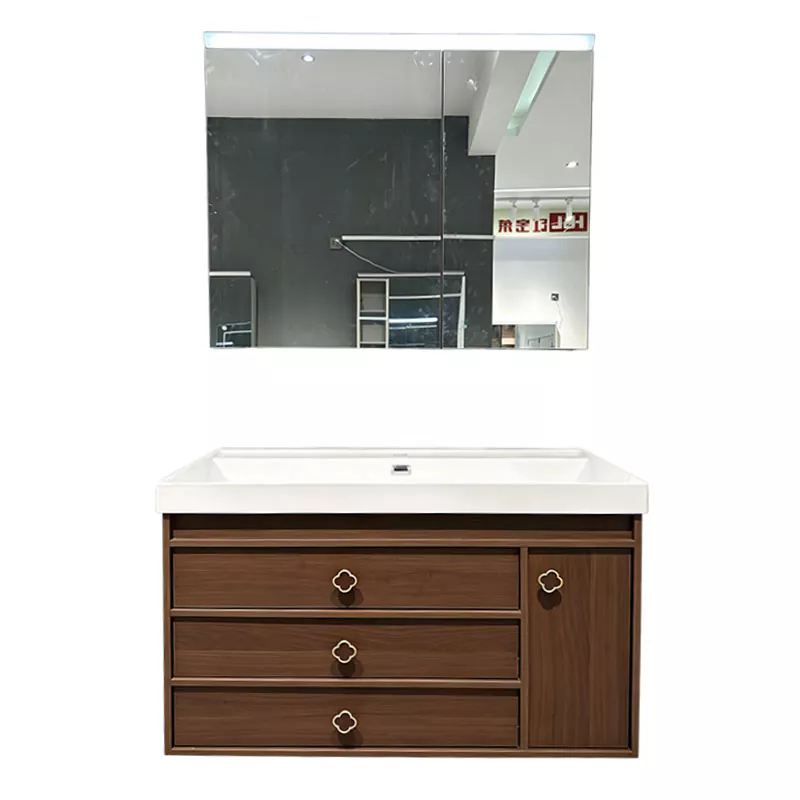
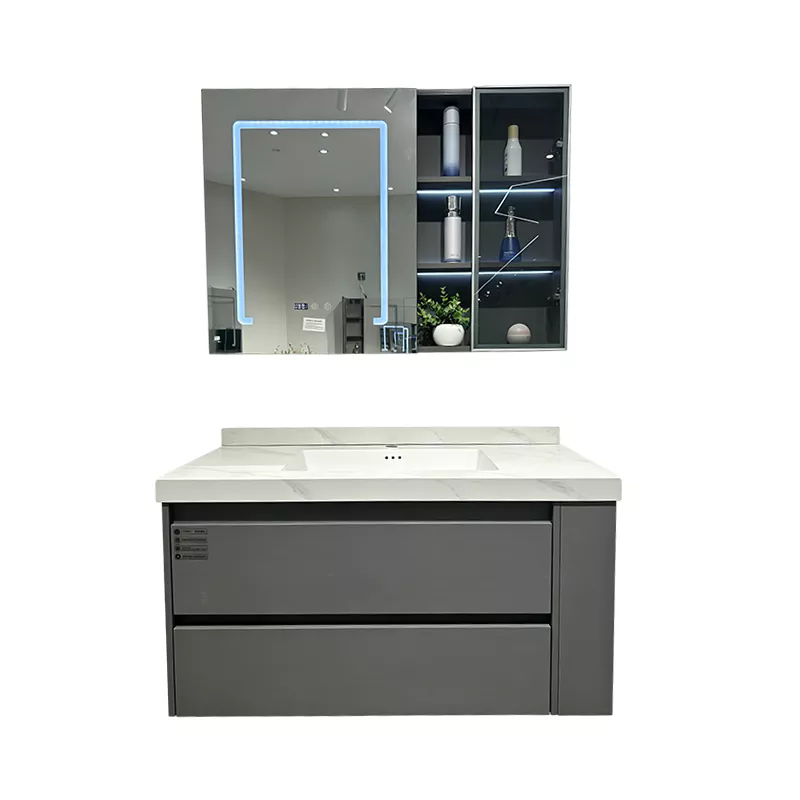
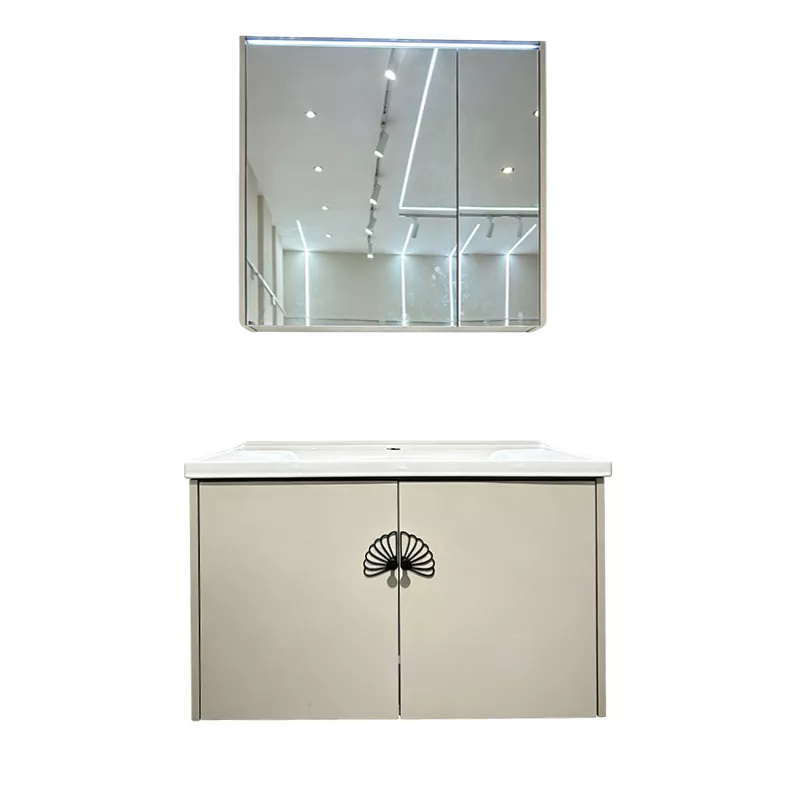
A bathroom vanity is subjected to a daily assault that few other surfaces in the home experience. Toothpaste, soap, shampoo, hair dye, shaving cream, and cosmetics are spilled, splashed, and wiped across the countertop. Water pools around the sink rim. Hot styling tools are set down without a second thought. For a homeowner, the vanity top must look good and stay looking good with minimal effort. For a procurement manager sourcing Bathroom Vanities for a hotel, an apartment development, or a retail chain, the vanity top must deliver that performance across hundreds of units, year after year, without generating maintenance complaints or replacement costs. This is why engineered stone countertops have become the dominant choice in vanity applications. They combine the look of natural stone with the practical performance that a bathroom environment demands.
This guide is written for buyers who are specifying Bathroom Vanities and need to understand why engineered stone countertops are so widely used. We will explain what engineered stone is, why its non-porous surface is a decisive advantage in a wet environment, how it performs against stains, heat, and impact, the design flexibility it offers, the cost considerations, and the criteria for evaluating a supplier. We will also provide detailed product parameters from our factory at Xuchang Hongbaolai Sanitary Ware Co., Ltd. Whether you are sourcing vanities for a residential project, a hospitality installation, or a retail program, this guide will help you make an informed decision about the countertop material.
Engineered stone, also known as quartz surfacing, is a composite material made from crushed natural stone—typically quartz—mixed with a polymer resin binder and pigments. The mixture is compacted under high pressure and heat to form a dense, non-porous slab. The quartz content is usually around 90% to 93%, with the resin making up the remainder. This high quartz content gives the material its hardness and durability, while the resin binds the stone particles and provides a uniform, consistent surface. Unlike natural stone, which is quarried in blocks and cut into slabs, engineered stone is manufactured in a controlled factory environment, which means that the color, pattern, and performance are consistent from slab to slab. The table below summarizes the composition and manufacturing process.
| Component | Content | Function |
| Quartz | 90% - 93% | Provides hardness, durability, and visual depth |
| Polymer Resin | 7% - 10% | Binds the stone particles and provides non-porosity |
| Pigments | < 1% | Provides color and pattern |
| Manufacturing Process | Compaction under vacuum, high pressure, and heat | Creates a dense, non-porous slab |
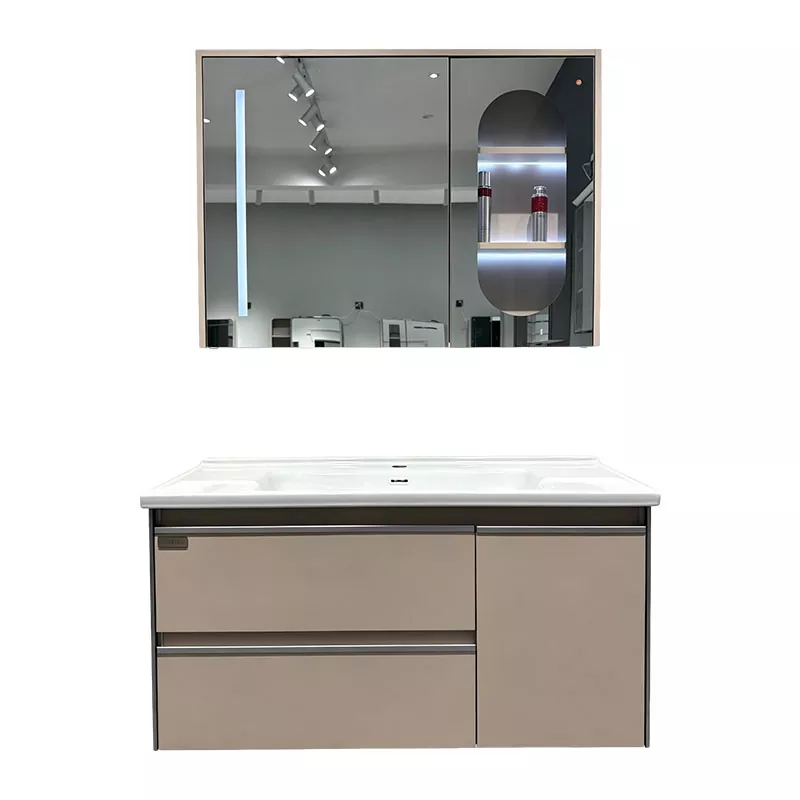
At Xuchang Hongbaolai Sanitary Ware Co., Ltd., our factory manufactures Bathroom Vanities with engineered stone countertops that meet the demands of both residential and commercial projects. We source our engineered stone from certified suppliers and verify its composition and performance before it enters production. Our goal is to provide our customers with vanity tops that deliver consistent quality and reliable performance.
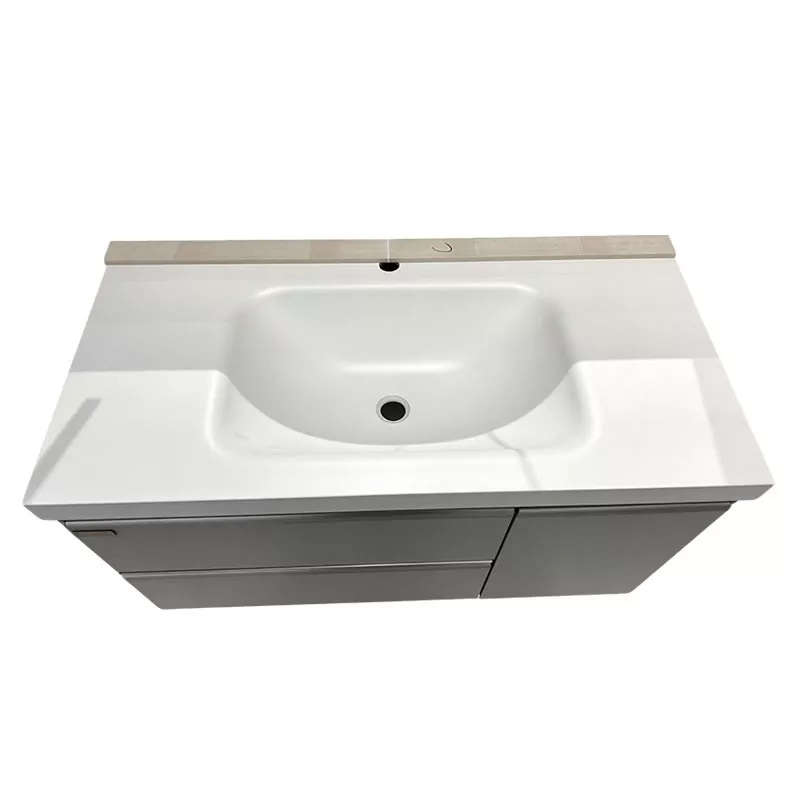
Non-porosity is the single most important property of an engineered stone countertop in a bathroom vanity. A porous material, such as natural marble or granite, has microscopic pores that can absorb liquids. In a bathroom, those liquids include water, soap, toothpaste, hair dye, and cosmetics. Once absorbed, they can stain the surface, harbor bacteria, and cause the material to degrade over time. An engineered stone countertop is non-porous because the resin binder fills the spaces between the quartz particles. Liquids cannot penetrate the surface. They remain on top, where they can be wiped away. This property is particularly important around the sink rim, where water pools, and in a family bathroom, where spills are frequent. The table below compares the porosity of common vanity top materials.
| Material | Porosity | Stain Resistance | Maintenance |
| Engineered Stone | Non-porous | Excellent | Wipe clean, no sealing |
| Natural Marble | Porous | Poor (stains easily) | Requires sealing, careful cleaning |
| Natural Granite | Low porosity | Good (but requires sealing) | Requires periodic sealing |
| Solid Surface | Non-porous | Good | Wipe clean, can be sanded |
| Laminate | Non-porous (if sealed) | Moderate | Wipe clean, edges vulnerable |
At our factory, we use engineered stone with a non-porous surface for our Bathroom Vanities. We verify the porosity of every batch to ensure that it meets our specifications. Our goal is to provide our customers with vanity tops that resist stains and require minimal maintenance.
Engineered stone performs well against the three most common threats to a bathroom vanity top: stains, heat, and impact. Stain resistance is excellent because the surface is non-porous. Spills of toothpaste, soap, hair dye, and cosmetics remain on the surface and can be wiped away with a damp cloth. There is no need to seal the surface, and there are no pores to harbor bacteria. Heat resistance is good, but not unlimited. Engineered stone can withstand moderate heat, such as a hot hair straightener set down briefly, but prolonged exposure to high heat can damage the resin binder. A trivet or heat pad should be used for hot styling tools. Impact resistance is good. The material is hard and dense, but it can chip if a heavy object is dropped on an edge. The table below summarizes the performance characteristics.
| Threat | Performance | Recommended Practice |
| Stains | Excellent resistance | Wipe spills promptly with a damp cloth |
| Heat | Good (up to ~150°C briefly) | Use a heat pad for hot styling tools |
| Impact | Good (can chip at edges) | Avoid dropping heavy objects on edges |
| Scratches | Good (harder than most materials) | Avoid abrasive cleaners and sharp blades |
| Chemicals | Good (resists most household chemicals) | Avoid strong acids and solvents |
At Xuchang Hongbaolai Sanitary Ware Co., Ltd., our factory selects engineered stone grades that meet the performance requirements of bathroom vanities. We test the stain resistance, heat resistance, and impact resistance of each batch. Our goal is to provide our customers with vanity tops that perform reliably in daily use.
Engineered stone offers significant design flexibility for Bathroom Vanities. It is available in a wide range of colors, patterns, and finishes, from solid whites and creams to marble-look veined patterns and subtle speckled textures. The color and pattern are consistent from slab to slab, which means that a large project can be executed without the variation that is common in natural stone. The material can be cut and shaped into a variety of edge profiles, including square, beveled, bullnose, and ogee. It can also be integrated with an undermount or drop-in sink, depending on the design. The table below summarizes the design options available.
| Design Element | Options | Notes |
| Color | White, cream, gray, black, custom | Consistent from slab to slab |
| Pattern | Solid, veined, speckled | Marble-look and stone-look available |
| Finish | Polished, matte, honed | Matte and honed for a contemporary look |
| Edge Profile | Square, beveled, bullnose, ogee | Custom profiles available |
| Sink Integration | Undermount, drop-in, integrated | Selected for design and ease of cleaning |
At our factory, we offer a wide range of engineered stone colors, patterns, and edge profiles for our Bathroom Vanities. We can also custom-match colors to suit a specific design vision. Our goal is to provide our customers with vanity tops that meet their aesthetic requirements and their performance requirements.
The cost of engineered stone is an important consideration for procurement managers. Engineered stone is generally more expensive than laminate or solid surface, but less expensive than high-end natural stone such as marble or exotic granite. The cost depends on the brand, the thickness, the edge profile, and the quantity ordered. For large projects, the consistent quality and low maintenance of engineered stone can offset the higher initial cost. The table below compares the cost and performance of common vanity top materials.
| Material | Relative Cost | Durability | Maintenance |
| Laminate | Low | Moderate | Low |
| Solid Surface | Medium | Good | Low |
| Engineered Stone | Medium-High | Excellent | Low |
| Natural Granite | High | Excellent | Moderate (requires sealing) |
| Natural Marble | High | Good | High (requires sealing, stains easily) |
At HBL, our factory works with our customers to select the engineered stone grade that meets their budget and performance requirements. We offer competitive pricing for large orders and can provide cost estimates for specific projects. Our goal is to help our customers achieve the best balance of cost and performance.
Evaluating a supplier of Bathroom Vanities with engineered stone countertops requires a focus on material quality, manufacturing capability, design options, and after-sales support. The supplier must use high-quality engineered stone from certified sources. They must have the capability to cut, edge, and finish the stone to the required specifications. They must offer a range of colors, patterns, and edge profiles. And they must provide after-sales support, including installation guidance and warranty. The table below summarizes the evaluation criteria.
| Evaluation Criterion | What to Look For | Why It Matters |
| Material Quality | Certified engineered stone, consistent color | Ensures performance and appearance |
| Manufacturing Capability | CNC cutting, edge profiling, polishing | Ensures accurate fit and finish |
| Design Options | Wide range of colors, patterns, edges | Meets project aesthetic requirements |
| After-Sales Support | Installation guidance, warranty | Ensures long-term satisfaction |
| Project Experience | Hotel, residential, retail references | Demonstrates capability and reliability |
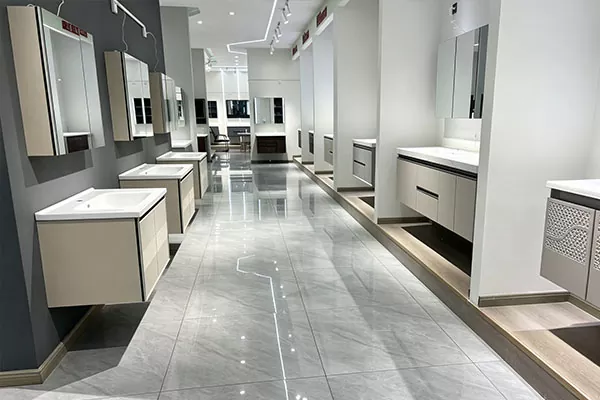
At our factory, we have been producing Bathroom Vanities with engineered stone countertops for over a decade. We use certified engineered stone and precision manufacturing processes to ensure consistent quality. We offer a wide range of design options and provide after-sales support. We invite you to evaluate us against these criteria and to consider us as your partner for Bathroom Vanities.
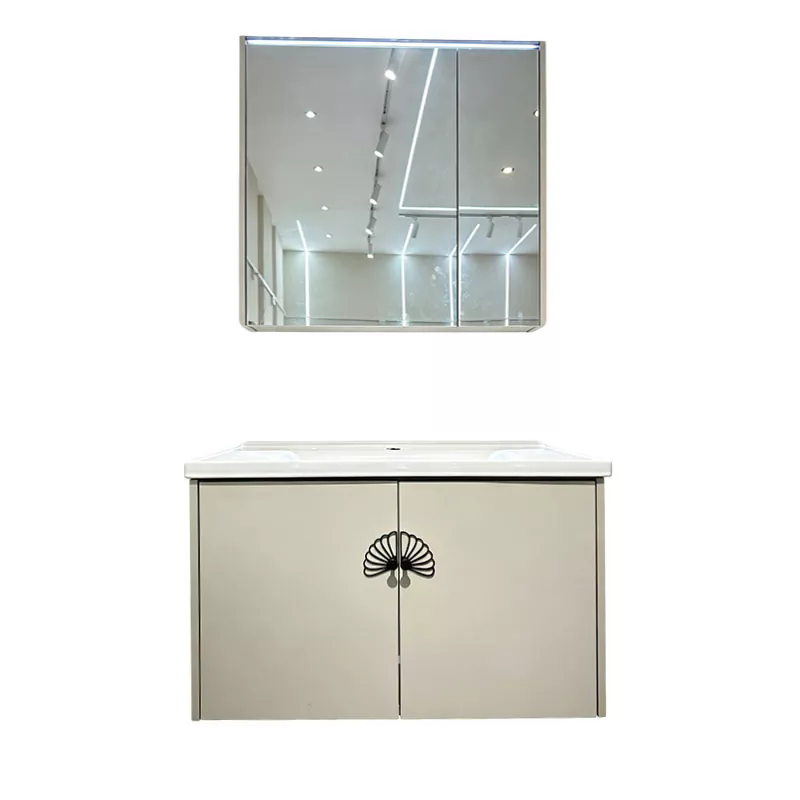
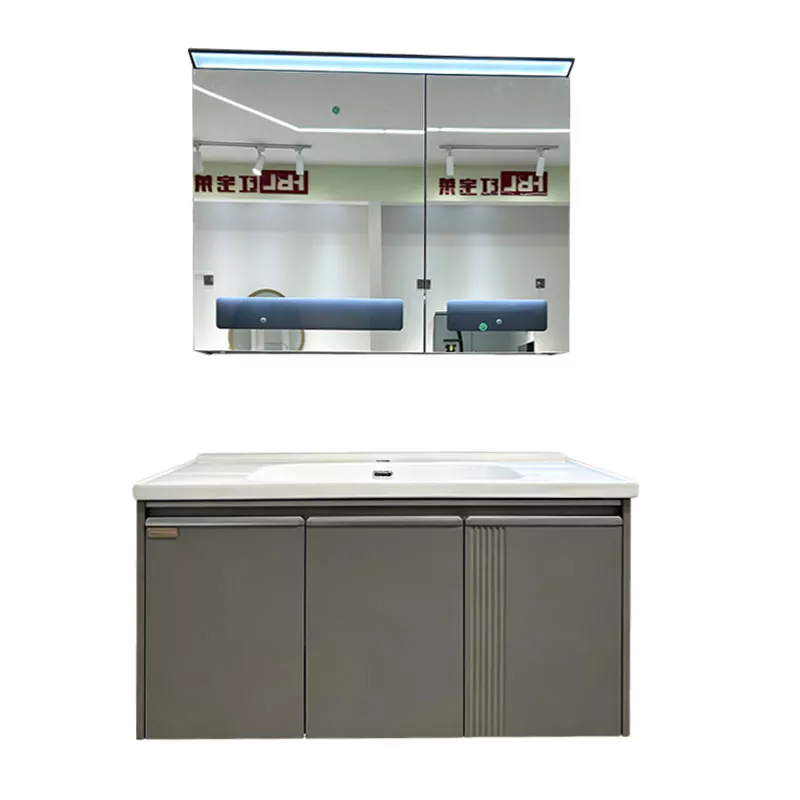
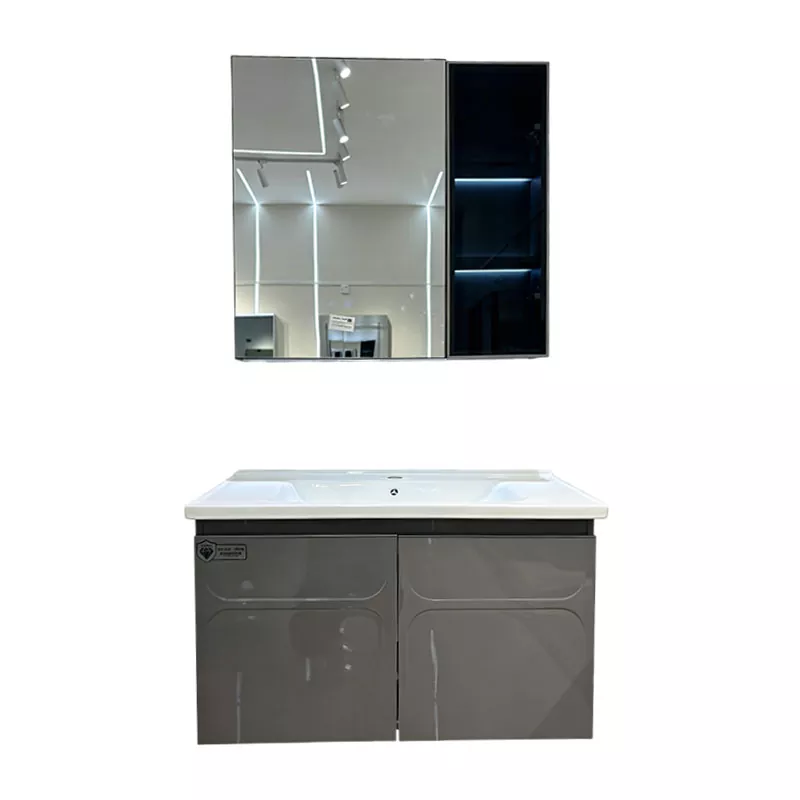
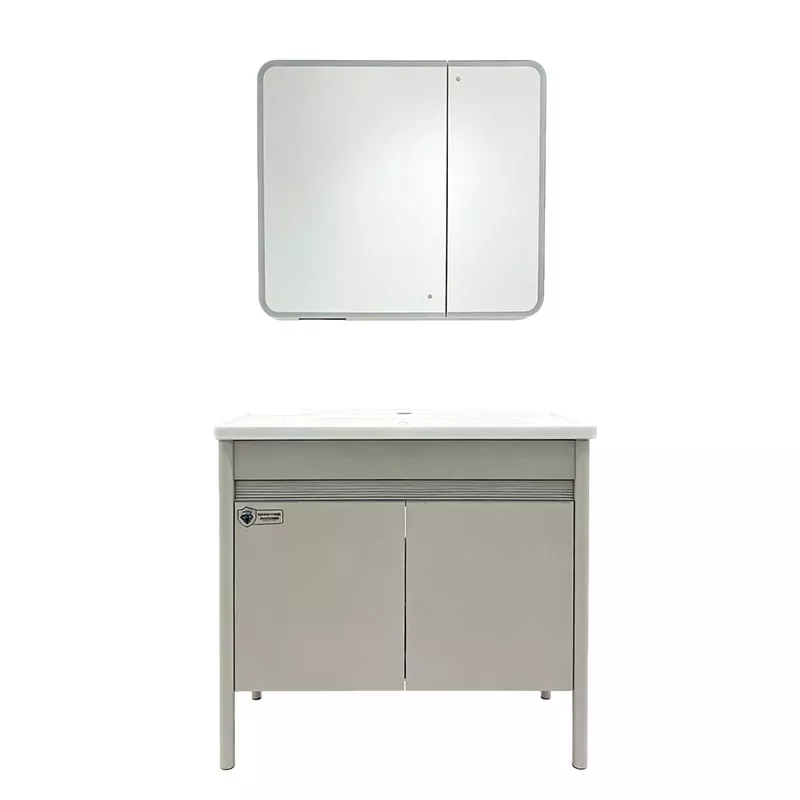
The following table provides the key product parameters for our Bathroom Vanities with engineered stone countertops. These vanities are suitable for residential, hospitality, and retail applications. Our factory can also produce custom vanities to meet specific requirements.
| Parameter | Specification Range | Notes |
| Vanity Width | 600mm - 1800mm | Custom sizes available |
| Countertop Material | Engineered Stone (Quartz) | Non-porous, stain-resistant |
| Countertop Thickness | 20mm, 30mm | Selected for design and durability |
| Colors | White, cream, gray, black, veined, speckled | Custom colors available |
| Edge Profile | Square, beveled, bullnose, ogee | Custom profiles available |
| Sink Type | Undermount, drop-in, integrated | Selected for design and cleaning |
| Cabinet Material | Plywood, MDF, solid wood | Selected for moisture resistance |
| MOQ | 20 sets | Negotiable for large orders |
| Lead Time | 4 - 6 weeks | Depends on quantity and customization |
At our factory, we manufacture our Bathroom Vanities with engineered stone countertops to meet these specifications and more. We can customize the size, countertop material, colors, and edge profile to suit your specific requirements. Our quality control system includes inspection of raw materials, in-process inspection, and final inspection before shipment. Our goal is to provide our customers with high-quality Bathroom Vanities that meet their performance and aesthetic requirements.
Question 1: Is engineered stone better than natural stone for a bathroom vanity?
Answer: For most bathroom vanity applications, engineered stone is the better choice. It is non-porous, so it resists stains and does not require sealing. Natural stone, such as marble, is porous and can stain easily in a wet environment. Engineered stone also offers consistent color and pattern, which is an advantage for large projects. Natural stone may be preferred for its unique character in high-end residential applications, but it requires more maintenance.
Question 2: Does engineered stone need to be sealed?
Answer: No, engineered stone does not need to be sealed. The resin binder makes the surface non-porous, so liquids cannot penetrate. This is one of the main advantages of engineered stone over natural stone, which typically requires periodic sealing to maintain its stain resistance.
Question 3: Can engineered stone be damaged by heat?
Answer: Engineered stone can withstand moderate heat, but prolonged exposure to high heat can damage the resin binder and cause discoloration or cracking. Hot styling tools, such as curling irons and flat irons, should be placed on a heat pad or trivet, not directly on the countertop. The material is not suitable for use as a cooking surface.
Question 4: How do I clean an engineered stone vanity top?
Answer: Clean the surface with a damp cloth and mild soap or a non-abrasive household cleaner. Avoid abrasive cleaners, scouring pads, and strong acids or solvents, as these can damage the surface. For stubborn stains, use a mild detergent and a soft cloth. Wipe up spills promptly to prevent any chance of staining.
Question 5: Is engineered stone more expensive than laminate?
Answer: Yes, engineered stone is more expensive than laminate. However, it offers better durability, stain resistance, and appearance. For a bathroom vanity that will be used daily for many years, the higher initial cost of engineered stone is often justified by its lower maintenance and longer service life. Our team can help you compare the total cost of ownership for different materials.
Engineered stone countertops are popular in Bathroom Vanities because they combine the appearance of natural stone with the practical performance that a wet environment demands. Their non-porous surface resists stains, their durability withstands daily use, and their design flexibility suits a wide range of aesthetic requirements. By understanding the properties of engineered stone and evaluating the supplier's capability, procurement managers can specify vanity tops that deliver reliable performance and low maintenance over the life of the installation. At Xuchang Hongbaolai Sanitary Ware Co., Ltd., our factory manufactures Bathroom Vanities with engineered stone countertops that meet the most demanding requirements. We use certified materials, precision manufacturing, and rigorous quality control to ensure that every vanity we produce delivers reliable performance.
Whether you are sourcing vanities for a residential project, a hotel, or a retail chain, we invite you to contact us to discuss your requirements. We can provide samples, technical data, and customized solutions. Our commitment to quality and customer satisfaction has made us a trusted partner for bathroom projects around the world.
Contact Xuchang Hongbaolai Sanitary Ware Co., Ltd. today to discuss your Bathroom Vanity requirements and discover how our engineered stone countertops can meet your project needs.
No. 6, Xuzhuang Village, Heshangqiao Town, Changge City, Henan Province, China